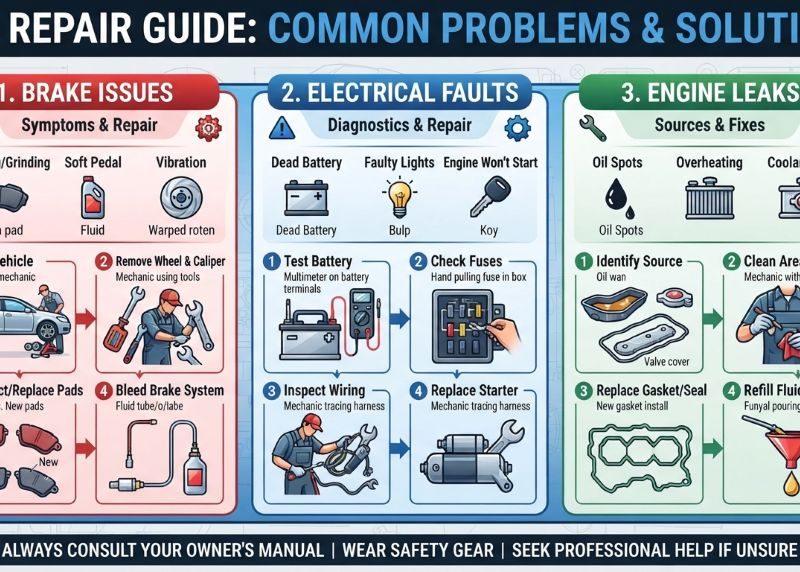
That high-pitched screech emanating from your wheels when you slow down – it’s enough to drive any driver mad. While many attribute it to worn brake pads or rotors, a less-discussed culprit often lurks in plain sight: brake dust. This seemingly innocuous byproduct of braking can, indeed, contribute to those irritating squeaks, and understanding why is crucial for maintaining quiet squeaky brakes and an efficient braking system.
The Anatomy of Brake Dust: More Than Just Grime
Brake dust is the fine, dark particulate matter generated during the normal operation of your vehicle’s brakes. It’s primarily composed of microscopic fragments shed from the brake pads and rotors as they interact. Modern brake pads, particularly semi-metallic and ceramic types, are designed to create friction against the rotor to slow the wheel. This friction inevitably leads to wear, releasing these tiny particles into the surrounding environment.
The composition of brake dust varies depending on the type of brake pads used. Semi-metallic pads, known for their durability and affordability, contain a blend of metallic fibers (iron, copper, steel) and fillers. This results in brake dust rich in metallic components. Ceramic pads, a more premium option, utilize ceramic fibers mixed with bonding agents. Their dust is finer and lighter in color, often less noticeable than that from semi-metallic pads. However, regardless of the pad type, brake dust is inherently abrasive.
How Brake Dust Becomes the Squeaking Symphony Conductor
The abrasive nature of brake dust is key to understanding its role in brake squeal. When brake dust accumulates on the brake components, specifically the rotors and pads, it creates a layer of grit. This layer interferes with the smooth, consistent interaction between the pad and rotor surfaces.
Imagine a phonograph needle gliding across a record. A clean record produces a clear sound. However, if dust or debris accumulates on the record, the needle will vibrate unevenly, generating unwanted noise. Similarly, brake dust creates an uneven surface, causing the brake pads to vibrate excessively as they press against the rotor. This vibration, amplified within the brake assembly, translates into the audible squeak we hear.
The Vibrations’ Virtuoso: Frequency and Resonance
The frequency of the squeak is directly related to the rate of these vibrations. Smaller, lighter particles tend to produce higher-pitched squeals, while larger, heavier particles might generate lower-frequency groans. The design of the brake system, including the caliper, rotor, and pad shape, also influences the resonance of these vibrations. Certain brake designs are more prone to amplifying specific frequencies, resulting in particularly noticeable squeaks.
Furthermore, brake dust can exacerbate existing brake issues. If your rotors are warped or scored, the uneven surface already contributes to vibrations. Adding a layer of abrasive brake dust further amplifies these vibrations, leading to more pronounced squealing.
Environmental Factors: The Dust Magnet’s Influence
The environment plays a significant role in brake dust accumulation and its potential for causing squeaks. Humid and dusty conditions increase the likelihood of brake dust adhering to brake components. In wet weather, brake dust can mix with moisture, forming a sticky paste that further traps particles. This sticky substance becomes even more abrasive when dry, increasing the risk of squealing.
Road salt used during winter months can also contribute to brake dust issues. Salt residue can accelerate corrosion on brake components and create a gritty environment, attracting and retaining brake dust.
Related: Why Does My Car Shake When I Brake
Beyond Squeaks: The Broader Implications of Brake Dust

While annoying squeaks are a common consequence of brake dust accumulation, the implications extend beyond mere noise.
Excessive brake dust can lead to:
- Accelerated Wear: The abrasive nature of brake dust can accelerate wear on brake pads and rotors, reducing their lifespan.
- Reduced Braking Performance: A build-up of brake dust can interfere with the efficient transfer of heat from the brakes, potentially leading to brake fade and reduced stopping power.
- Wheel Damage: Brake dust can adhere to wheel surfaces, particularly alloy wheels, causing discoloration and corrosion.
- Respiratory Issues: Brake dust contains potentially harmful particulate matter that can be inhaled, posing risks to respiratory health.
Preventing the Squeak: A Proactive Approach
Fortunately, several measures can be taken to minimize brake dust accumulation and prevent squeaky brakes:
- Regular Cleaning: Regularly cleaning your wheels and brake components helps remove accumulated brake dust. Use a mild soap and water solution, or specialized wheel cleaners, to remove the dust. Avoid harsh chemicals that can damage brake components.
- Brake Service: During regular brake service, your mechanic will inspect and clean the brake components, ensuring proper function and minimizing dust accumulation.
- High-Quality Brake Pads: Consider upgrading to high-quality brake pads that produce less dust. Ceramic brake pads are a popular choice for their low-dust properties.
- Anti-Squeal Shims: Anti-squeal shims, installed between the brake pads and calipers, help dampen vibrations and reduce noise.
- Proper Lubrication: Ensuring proper lubrication of brake components, such as caliper slides, helps minimize friction and vibration.
Squeaky Brakes (FAQs):
Q: Are all brake squeaks caused by brake dust?
A: No, brake squeaks can be caused by various factors, including worn brake pads, warped rotors, loose brake components, and faulty caliper hardware. However, brake dust can exacerbate these issues and contribute to squeaking.
Q: Can I clean brake dust myself?
A: Yes, you can clean brake dust yourself using a mild soap and water solution or specialized wheel cleaners. Be sure to use a soft brush or sponge to avoid scratching the wheels or brake components.
Q: How often should I clean brake dust?
A: The frequency of cleaning depends on your driving conditions and the type of brake pads used. If you notice excessive brake dust accumulation, clean your wheels and brake components more frequently. Washing your car regularly will usually suffice for most driving situations.
Q: Are ceramic brake pads worth the extra cost?
A: Ceramic brake pads offer several advantages, including reduced dust, quieter operation, and longer lifespan. If you prioritize these factors, ceramic brake pads may be a worthwhile investment.
Q: Can brake dust damage my wheels?
A: Yes, brake dust can adhere to wheel surfaces, causing discoloration and corrosion, particularly on alloy wheels. Regular cleaning can prevent this damage.
Q: Are there any home remedies to stop squeaking brakes?
A: While some home remedies, such as applying brake quiet lubricants, may temporarily reduce squeaking, they are not a substitute for professional brake service. If you experience persistent brake squeaking, consult a qualified mechanic.
Conclusion: The Importance of Maintenance and Understanding
Brake dust, though seemingly insignificant, can play a notable role in causing squeaky brakes. Understanding the relationship between brake dust, vibrations, and noise is essential for maintaining a quiet and efficient braking system. Regular cleaning, proper maintenance, and choosing high-quality brake pads can significantly reduce brake dust accumulation and prevent those irritating squeaks.
Furthermore, remember to address any underlying brake issues, such as worn pads or warped rotors, as brake dust can exacerbate these problems. Proactive maintenance not only ensures a quieter ride but also contributes to safe and reliable braking performance. Ignoring brake squeaks can lead to more significant problems down the line, potentially compromising your safety and increasing repair costs. So, keep those wheels clean, maintain your brakes, and enjoy a peaceful driving experience.