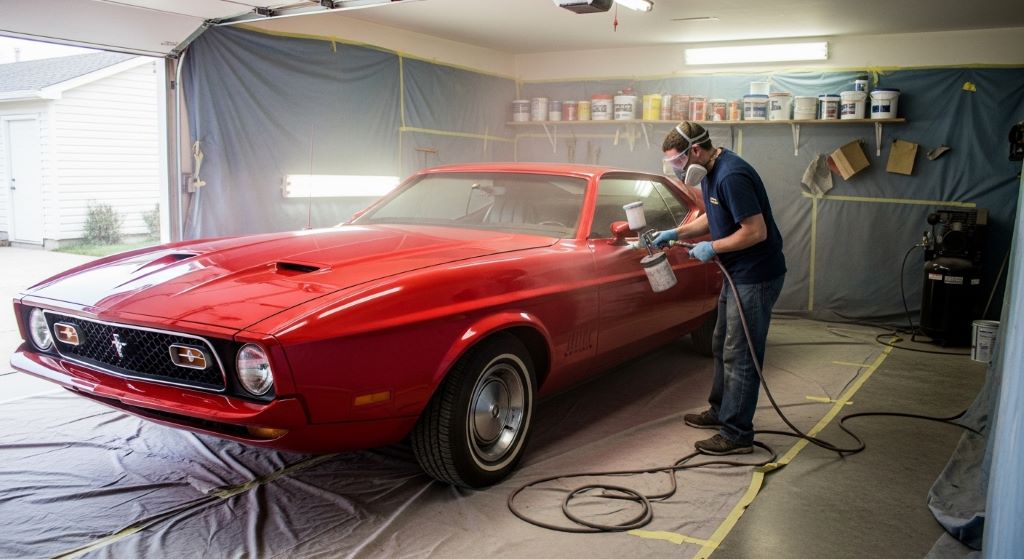
Your car’s paint protects the metal underneath while giving your vehicle its distinctive appearance. Over time, paint fades, chips, and deteriorates from sun exposure, road debris, and environmental factors. A fresh coat can transform your car’s look and preserve its value. However, professional paint jobs often cost thousands of dollars, putting them out of reach for many car owners.
The good news is that you can achieve a quality finish without breaking the bank. Smart planning, careful preparation, and knowing where to cut costs safely can help you get impressive results on a limited budget. This guide will show you practical strategies for refreshing your car’s appearance while keeping expenses under control.
Understanding Paint Job Costs and Quality Levels
Before exploring money-saving options, it’s helpful to understand what drives paint job pricing. Professional shops charge based on several factors including paint quality, preparation work, labor hours, and the level of finish you desire.
Basic paint jobs typically cost between 500 and 1,000 dollars. These services often involve minimal prep work, single-stage paint, and coverage of visible areas only. Mid-range jobs run from 1,000 to 3,500 dollars and include better preparation, higher quality paint, and more thorough coverage. Premium jobs exceed 5,000 dollars, featuring extensive prep work, multiple paint coats, and showroom-quality finishes.
Understanding these tiers helps you set realistic expectations. You can achieve good results in the lower price ranges if you’re willing to invest time and effort into preparation work yourself. Additionally, accepting a good rather than perfect finish allows significant cost savings without sacrificing durability or overall appearance.
Timing Your Paint Job Strategically
When you schedule your paint work can significantly impact the final cost. Many body shops experience seasonal fluctuations in business, and taking advantage of slower periods can lead to better deals.
Winter months typically bring fewer customers to paint shops in many regions. Shops may offer discounts during these slower periods to keep their bays occupied and staff working. Call several shops in late fall or winter to inquire about off-season pricing.
Furthermore, booking well in advance often results in better rates than rush jobs. Shops charge premium prices for quick turnarounds. If you can wait a few weeks or even months, you’ll likely receive more competitive quotes. This planning also gives you time to compare options and negotiate terms.
Some shops offer promotional deals during certain times of year. Check shop websites and social media pages for special offers. Additionally, newly opened shops sometimes provide introductory discounts to build their customer base and generate word-of-mouth referrals.
Doing Your Own Prep Work
Preparation accounts for a significant portion of professional paint job costs. Labor-intensive tasks like sanding, masking, and cleaning require many hours of skilled work. However, much of this preparation doesn’t require specialized expertise, making it ideal for DIY cost-cutting.
Start by thoroughly washing and drying your car. Remove all dirt, grease, and contaminants that could affect paint adhesion. Clay bar treatment removes embedded particles that washing alone can’t eliminate. This step ensures a smooth surface for painting.
Sanding is time-consuming but essential for proper paint adhesion. You’ll need various grit sandpapers, starting with coarser grits to remove old paint and rust, then progressively finer grits for smoothing. Watch online tutorials to learn proper sanding techniques. Take your time with this step, as thorough preparation directly impacts final results.
Masking protects areas you don’t want painted. Purchase quality masking tape and plastic sheeting. Cover windows, trim, lights, and any parts that shouldn’t receive paint. Proper masking prevents overspray and reduces the time needed for cleanup and correction.
Remove small parts like mirrors, door handles, and emblems if possible. This elimination allows better paint coverage and creates a more professional appearance. Most of these items detach with basic tools and simple procedures you can find in online guides.
Exploring Alternative Paint Application Methods
Traditional spray booth applications deliver the best results but cost the most. However, alternative methods can produce acceptable finishes at fraction of the cost, especially for older vehicles or those with existing paint issues.
Roll-on paint applications have gained popularity as a budget auto repair technique. Specific paints designed for rolling can create surprisingly smooth finishes when applied correctly. This method requires multiple thin coats and careful technique. While not suitable for show cars, rolled paint jobs work well for daily drivers and can last several years with proper application.
Spray cans offer another budget-friendly option for smaller areas or single-panel repairs. Automotive-grade spray paint has improved dramatically in recent years. Multiple light coats produce better results than fewer heavy coats. Practice on scrap metal before tackling your car to develop proper technique.
Paint sprayers designed for home use provide a middle ground between professional equipment and spray cans. These devices cost between 100 and 300 dollars and can apply automotive paint with practice. They require proper safety equipment including respirators and adequate ventilation. Nevertheless, they can deliver results approaching professional quality for determined DIY enthusiasts.
Choosing the Right Paint Products
Paint quality directly affects both appearance and durability. However, you don’t necessarily need the most expensive products to achieve good results. Understanding different paint types helps you make cost-effective choices.
Single-stage paints combine color and clear coat in one product. They cost less than two-stage systems and require fewer coats. While they don’t provide the depth and shine of two-stage paints, they offer adequate protection and appearance for budget-conscious owners. These paints work particularly well for older vehicles or work trucks where ultimate appearance isn’t the primary concern.
Two-stage systems apply base color followed by separate clear coat layers. They create deeper color and better gloss but increase material costs and application complexity. If your budget allows, this system provides superior results and better longevity.
Consider paint brand reputation carefully. Top-tier automotive paint brands ensure quality but command premium prices. However, several mid-tier brands offer excellent performance at lower costs. Read reviews from other DIY painters and ask for recommendations at auto body supply stores.
Paint quantity matters too. Calculate the amount needed for your vehicle size and desired number of coats. Buying slightly more than needed prevents running short mid-project, which could result in color matching issues. Yet purchasing excessive amounts wastes money on unused materials.
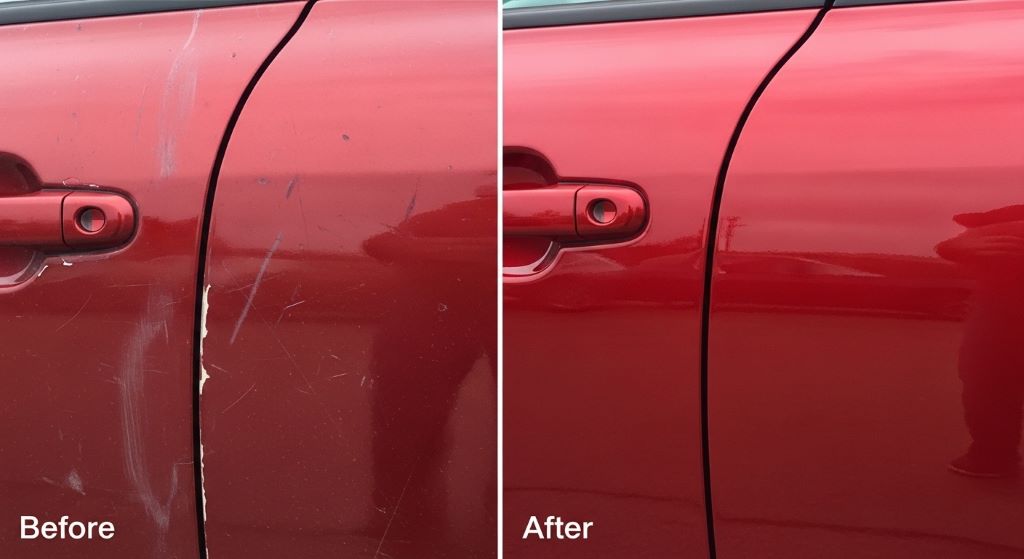
Finding Affordable Professional Services
If DIY painting seems too daunting, affordable professional options exist. Several strategies can help you find quality services within your budget.
National chain paint shops often advertise low-cost car repaint services. While their basic packages have limitations, they provide legitimate alternatives for budget-conscious customers. Read reviews carefully and understand exactly what’s included before committing. Ask about additional charges that might increase the quoted price.
Vocational schools and technical colleges with automotive programs sometimes offer discounted services. Students perform the work under instructor supervision, allowing you to benefit from reduced labor costs while students gain practical experience. Quality can vary, but the oversight from experienced instructors helps ensure acceptable results.
Mobile paint services have emerged as cost-effective alternatives to traditional body shops. These businesses operate with lower overhead costs, passing savings to customers. They can perform work at your location, saving you time and inconvenience. However, verify their insurance coverage and request examples of previous work before hiring.
Additionally, independent body shops often charge less than dealerships or franchise operations. Build relationships with local shops by getting quotes from several businesses. Explain your budget constraints honestly. Many shop owners appreciate straightforward communication and may work with you to find solutions fitting your financial situation.
Smart Painting Hacks That Save Money
Experienced auto painters have developed numerous painting hacks that reduce costs without sacrificing results. Incorporating these techniques into your project stretches your budget further.
Wet sanding between coats creates smoother finishes using less paint. This technique removes imperfections and creates better adhesion for subsequent layers. Use fine-grit wet sandpaper and plenty of water. The process takes extra time but dramatically improves final appearance.
Proper temperature and humidity control affects paint application and curing. Paint in moderate temperatures between 60 and 80 degrees Fahrenheit when possible. Avoid painting in high humidity, which can cause problems like blushing or slow drying. These conditions might require waiting for better weather, but they prevent costly mistakes and redos.
Thinning paint properly improves application and coverage. Follow manufacturer recommendations precisely. Correct viscosity allows smoother application with fewer runs and drips. Use recommended thinners rather than cheaper substitutes that might affect paint performance.
Practice your technique before painting your vehicle. Purchase an old hood or door panel from a salvage yard for experimentation. This investment pays off by helping you avoid mistakes on your actual car. The practice also builds confidence and helps you understand how paint behaves.
Maintaining Your New Paint Job
Proper maintenance extends the life of your paint work, maximizing the value of your investment. Simple care practices preserve appearance and protection for years.
Wash your car regularly using automotive-specific soap. Harsh detergents strip protective waxes and can dull paint over time. Use microfiber cloths or mitts to prevent scratching. Rinse thoroughly to remove all soap residue.
Apply quality wax or sealant every few months. These products create protective barriers against UV rays, environmental contaminants, and minor abrasions. They also enhance shine and make future cleaning easier. Both paste and liquid products work well, so choose based on personal preference.
Park in covered areas when possible. Sun exposure is paint’s primary enemy, causing fading and oxidation over time. Garages or carports provide ideal protection. If covered parking isn’t available, consider car covers for long-term protection.
Address chips and scratches promptly. Small paint damage can quickly develop into larger problems if water reaches bare metal. Touch-up paint bottles matching your color code prevent rust formation and maintain appearance. These quick fixes cost very little but prevent expensive repairs later.
Setting Realistic Expectations
Understanding what’s achievable within your budget prevents disappointment and helps you make informed decisions. A budget auto repair approach to painting your car won’t match showroom perfection, but it can still deliver impressive improvements.
Accept that some imperfections may remain visible up close. From normal viewing distances, a well-executed budget paint job looks great. Orange peel texture, minor color variations, or small dust particles might appear under close inspection. However, these issues don’t significantly impact overall appearance or paint protection.
Focus on improvement rather than perfection. If your current paint is faded, scratched, or rusting, any new paint represents a substantial upgrade. Compare the finished result to your starting point rather than to expensive custom paint jobs.
Consider which areas matter most. Horizontal surfaces show imperfections more readily than vertical panels. Investing extra effort in hoods, roofs, and trunks yields better visual results. Conversely, lower body panels near wheels naturally accumulate more damage, making perfect finishes there less critical.
Remember that paint technology and techniques continue improving. Today’s budget materials and methods produce results that would have cost significantly more a decade ago. Take advantage of these advances to achieve quality finishes at accessible prices.
Conclusion
Getting a cheap car paint job without compromising quality requires research, patience, and realistic expectations. By timing your project strategically, completing prep work yourself, and choosing appropriate materials, you can achieve impressive results while controlling costs. Whether you tackle the entire project yourself or find affordable professional services, numerous options exist for refreshing your car’s appearance on a budget.
The key lies in understanding where you can safely reduce costs without affecting durability or final appearance. Preparation work, proper material selection, and smart application techniques matter more than expensive equipment or premium-priced services. Additionally, maintaining your new paint job properly ensures your investment lasts for years.
Remember that a low-cost car repaint doesn’t mean low quality if you approach the project thoughtfully. With the strategies and painting hacks outlined in this guide, you can transform your vehicle’s appearance without emptying your wallet. Start planning your project today, and soon you’ll be driving a car that looks great and reflects the effort you invested.
Frequently Asked Questions
How long does a budget paint job typically last?
A properly executed budget paint job can last five to seven years with good maintenance. The longevity depends on paint quality, preparation thoroughness, application technique, and how well you care for the finish afterward. Regular washing, waxing, and protected parking significantly extend paint life. While budget jobs may not last as long as premium applications, they still provide years of protection and improved appearance.
Can I paint my car in my garage or driveway?
Yes, you can paint your car at home with proper preparation and safety precautions. Ensure adequate ventilation if working indoors. Outdoors, choose days with mild temperatures, low humidity, and minimal wind. Clean the area thoroughly to prevent dust contamination. Use appropriate safety equipment including respirators, gloves, and eye protection. Check local regulations regarding automotive painting at residential properties.
What’s the minimum I should expect to spend on a decent paint job?
For a basic but decent DIY paint job, expect to spend 300 to 600 dollars on materials including paint, primer, sandpaper, masking supplies, and safety equipment. Professional budget paint jobs typically start around 500 to 1,000 dollars. These prices deliver functional results on older vehicles. Higher quality finishes naturally cost more but can still be achieved affordably with patience and proper technique.
Is it worth painting an older high-mileage car?
Painting an older car makes sense if the vehicle is mechanically sound and you plan to keep it for several more years. A fresh paint job improves appearance, prevents rust, and can increase resale value beyond the cost of painting. However, if your car has serious mechanical issues or you’re planning to replace it soon, investing in paint may not be worthwhile.
What’s the biggest mistake people make with budget paint jobs?
The most common mistake is inadequate preparation work. Rushing through cleaning, sanding, and surface preparation leads to poor paint adhesion, visible imperfections, and shortened paint life. Additionally, applying coats too thickly causes runs and extended drying times. Take time with preparation and apply multiple thin coats rather than few thick ones. Patience during these steps dramatically improves final results regardless of budget.
Related Topics:
Rolling Towards Precision: Mastering the Trundle Wheel for Accurate Measurements
DIY Car Side Mirror Defogging: Banishing Blind Spots