When your car engine overheats, it can be a stressful experience. One of the most alarming signs that follows is a strong burning smell. This smell can mean many things, and knowing how to handle it properly can save you from costly repairs or even a dangerous situation. Therefore, understanding the cause and the right steps to take is very important.
This article will guide you through everything you need to know. You will learn what causes the burning smell, how to stay safe, and what actions to take right away.
Why Does a Burning Smell Happen After Engine Overheating?
Engine overheating happens when the cooling system fails to keep the engine temperature in check. When this occurs, several parts of the car can get extremely hot. As a result, materials like rubber hoses, plastic parts, oil, and coolant can burn or melt. This produces a strong and often sharp burning smell inside or outside the vehicle.
There are a few common reasons why your engine may overheat in the first place. A leaking coolant system is one of the top causes. Low oil levels, a broken thermostat, or a faulty radiator fan can also lead to overheating. Additionally, driving in very hot weather or heavy traffic for long periods can raise engine temperatures beyond safe limits.
Once the engine overheats, the burning smell is your car’s way of telling you that something is seriously wrong. You should never ignore it.
Common Sources of the Burning Smell
Not every burning smell comes from the same place. However, identifying the source can help you understand the level of danger and what needs to be fixed.
Burning Coolant
Coolant, also known as antifreeze, has a sweet but sharp smell when it burns. If your car smells like something sweet is burning, it is likely that coolant is leaking onto hot engine parts. This can happen when a hose cracks or the head gasket fails due to extreme heat.
Burning Oil
Burning oil has a thick, acrid smell that is hard to miss. Oil can leak onto the exhaust system or other hot surfaces after the engine overheats. This is a serious issue because oil fires can start if the problem is not fixed quickly.
Burning Rubber
When rubber hoses, belts, or seals get too hot, they can begin to melt or burn. The smell is sharp and very unpleasant. A melting serpentine belt or radiator hose is a common cause of this type of burning odor.
Burning Plastic
Plastic components near the engine, such as wire insulation or plastic covers, can melt when exposed to extreme heat. This smell is often described as toxic and chemical-like. It is important to address this quickly, as melting plastic near wiring can cause electrical problems.
Burning Brake Fluid
Sometimes, after an overheating event, brake fluid can also overheat and create a burning smell. This is especially true if the caliper is stuck or if the brakes have been overworked.
Immediate Steps to Take When You Smell Burning
Acting quickly and calmly is the key when you notice a burning smell from your car. Here is what you should do right away.
Pull Over Safely
As soon as you notice the burning smell or see the temperature gauge rising into the red zone, pull over to the side of the road. Do not wait for a more convenient stopping point. The sooner you stop the car, the less damage you risk.
Turn Off the Engine
Once you have pulled over, turn off the engine immediately. This stops the heat from building up further. However, do not open the hood right away. Allow the engine to cool down for at least 15 to 30 minutes before touching anything under the hood.
Do Not Open the Radiator Cap While Hot
This is one of the most important safety rules. Opening the radiator cap when the engine is still hot can cause a burst of scalding steam and coolant. This can cause serious burns. Therefore, always wait until the engine has fully cooled before checking the radiator.
Look for Visible Signs of Trouble
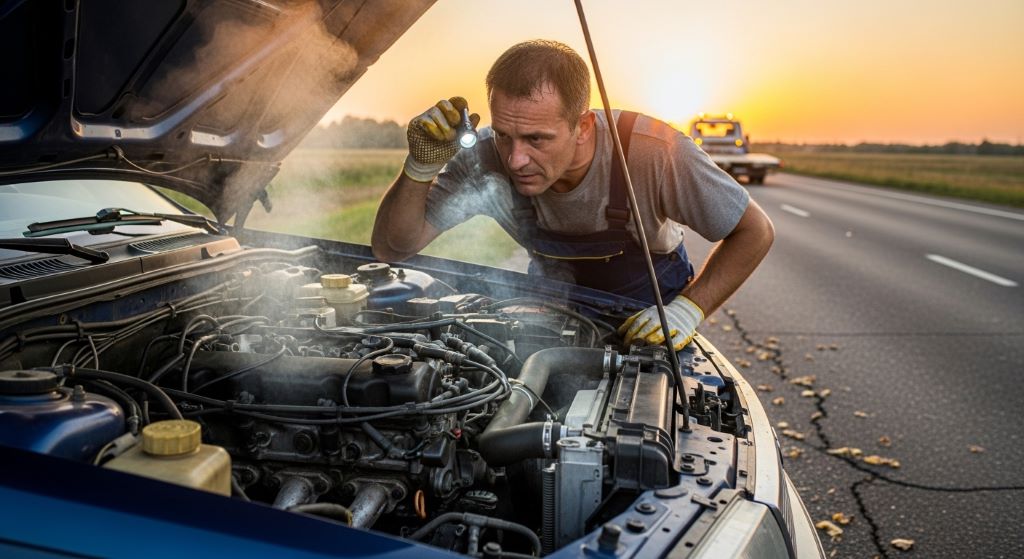
Once the engine is cool, carefully open the hood and look for obvious signs of damage. Check for coolant puddles under the car, cracked hoses, or melted plastic. If you see smoke still rising from the engine, wait a little longer before inspecting.
Check the Coolant Level
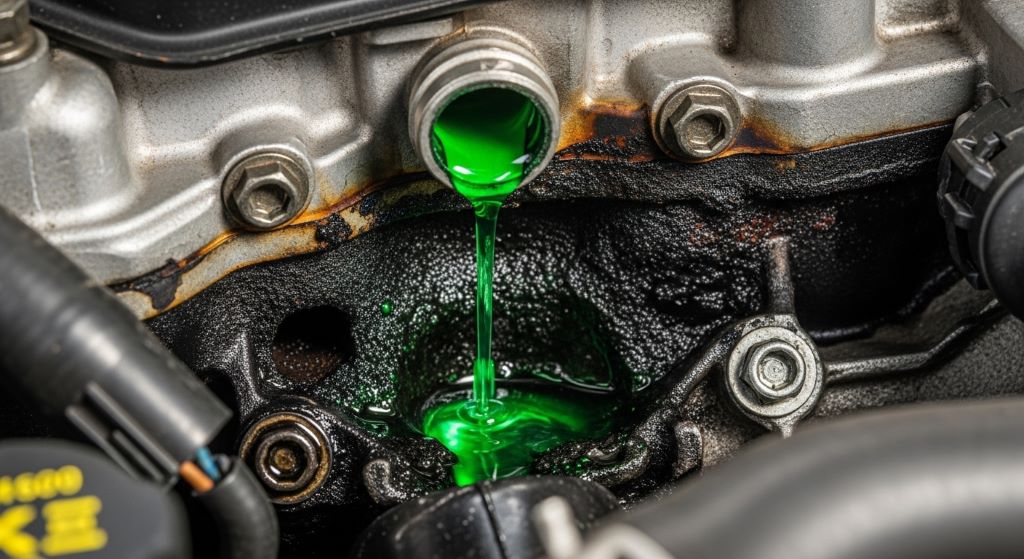
If it is safe to do so, check the coolant reservoir. If the level is very low or empty, that is likely the main cause of the overheating. Do not add cold water directly to a hot engine, as this can cause the engine block to crack due to sudden temperature changes.
Call for Roadside Assistance
If you are not confident in diagnosing or handling the issue yourself, it is always best to call for help. Roadside assistance or a tow truck can take your car to a professional mechanic safely. Trying to drive a car that is still overheating can cause permanent engine damage, such as a blown head gasket or warped cylinder head.
What to Do After Getting Your Car to a Mechanic
After the immediate danger is handled, your car will likely need professional attention. A mechanic will inspect the cooling system thoroughly to find the root cause of the overheating and the burning smell.
Some common repairs that may be needed include replacing a damaged head gasket, fixing a leaking radiator, or replacing old coolant hoses. Additionally, the mechanic may flush and refill the cooling system with fresh coolant.
It is also a good idea to ask the mechanic to check the engine oil, as overheating can break down the oil and reduce its effectiveness. In some cases, the oil may need to be changed as well.
How to Prevent Engine Overheating in the Future
Prevention is always better than dealing with the aftermath. There are simple steps you can take to reduce the risk of your engine overheating again.
First, check your coolant level regularly. A well-maintained coolant system is your best defense against overheating. Second, keep an eye on the temperature gauge while driving, especially during hot weather or long trips. Third, make sure your radiator fan is working properly. If it fails, the engine can overheat even while the car is stationary.
Additionally, follow your car’s recommended maintenance schedule. Regular oil changes, coolant flushes, and hose inspections can catch small problems before they turn into big ones. It is also wise to carry a small bottle of coolant in your car for emergencies.
Finally, avoid pushing your car too hard in extreme heat. If you are in stop-and-go traffic on a hot day, keep the air conditioning to a minimum and monitor the temperature gauge closely.
When Is the Burning Smell a Sign of Fire Risk?
In some cases, a burning smell after engine overheating can be a sign of a potential fire. If you see flames or thick black smoke coming from under the hood, do not try to open it. Instead, get all passengers out of the car quickly and move away from the vehicle. Call emergency services immediately.
Oil or fuel leaking onto a very hot engine can ignite. Therefore, if the burning smell is accompanied by visible smoke that is black or heavy, treat it as a fire emergency and do not risk your safety.
Conclusion
A burning smell after engine overheating is a serious warning sign that should never be ignored. It can come from burning coolant, oil, rubber, plastic, or brake fluid. Each source tells a different story about what went wrong under the hood.
The most important steps are to pull over safely, turn off the engine, let it cool down, and avoid opening the radiator cap while hot. After the immediate situation is under control, take your car to a qualified mechanic for a full inspection.
Additionally, taking preventive measures such as checking coolant levels, monitoring the temperature gauge, and following a regular maintenance schedule can help you avoid overheating in the future. Your car is a major investment, and keeping the engine in good health is key to keeping it running safely for years to come.
Frequently Asked Questions
Is it safe to drive my car if it smells like burning after overheating?
No, it is not safe. A burning smell after overheating indicates that something is damaged or still very hot. Driving further can cause severe engine damage or even start a fire. Pull over and allow the car to cool before taking any further action.
How long should I wait before opening the hood after overheating?
You should wait at least 15 to 30 minutes after the engine has been turned off. This gives the engine enough time to cool down to a safe temperature. However, if you see steam or smoke still rising from the hood, wait even longer.
Can a burning smell after overheating mean my head gasket is blown?
Yes, it can. A blown head gasket often allows coolant to leak into the combustion chamber or onto hot engine surfaces, creating a sweet, burning smell. Other signs include white smoke from the exhaust and milky oil on the dipstick.
What type of burning smell indicates the most danger?
A burning oil smell combined with visible smoke is one of the most dangerous signs, as it can indicate a risk of fire. A chemical or plastic burning smell can also mean wiring damage, which can cause electrical fires. In either case, stop the car and do not continue driving.
How much does it cost to fix an overheated engine?
The cost depends on the damage. A simple coolant top-up or hose replacement can cost between $50 and $200. However, if the head gasket is blown or the engine is severely damaged, repairs can range from $1,000 to over $3,000. Early action always helps reduce repair costs.
Related Topics:
The Ultimate Guide to Understanding Car Tire Rotation Diagrams
Why Car Air Conditioning Smells Like Vinegar: Causes and Fixes