Buying used auto parts online safely starts with verifying the exact part number, checking seller credibility, and confirming fitment before paying. Avoiding rushed decisions, suspiciously low prices, and incomplete listings greatly reduces the chance of receiving the wrong or unsafe component.
Finding quality used parts can save hundreds of dollars while extending your vehicle’s lifespan. Industry estimates suggest recycled auto parts keep millions of vehicle components in use every year, reducing waste and lowering repair costs. However, counterfeit and poorly described parts remain a growing concern. Therefore, understanding common buying mistakes helps you protect your money and your vehicle.
Why More Drivers Buy Used Auto Parts Online
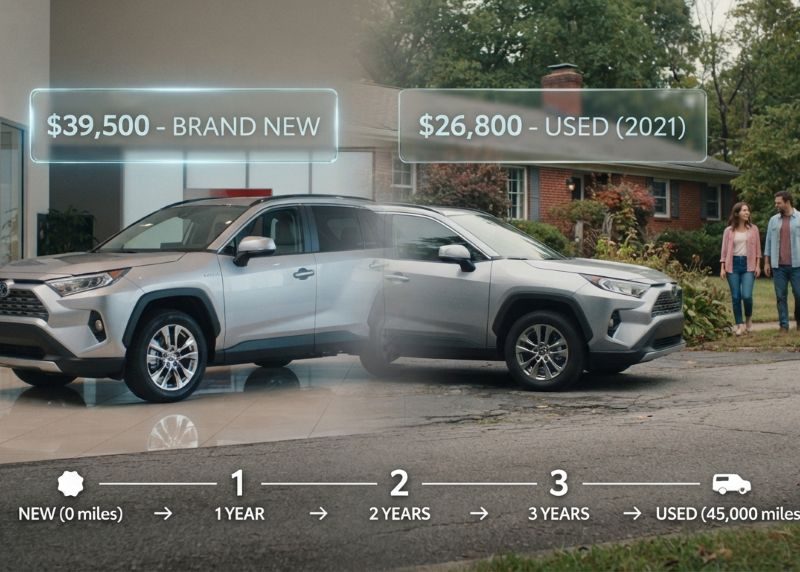
Many vehicle owners prefer used parts because they cost significantly less than new replacements.
Additionally, recycled parts often come from vehicles with plenty of usable life remaining.
Online marketplaces also provide access to rare components that local stores may not stock.
Consequently, shoppers can compare prices, conditions, and availability without leaving home.
Still, convenience should never replace careful research before completing a purchase.
Mistake 1: Buying Without the Exact Part Number
The biggest mistake involves ordering parts based only on appearance.
Many components look identical while using different specifications internally.
Always Match Manufacturer Numbers
Locate the original manufacturer part number before starting your search.
Even one incorrect digit may cause installation problems or complete incompatibility.
Verify Vehicle Information
Keep your vehicle identification number available during the buying process.
Matching the year, make, model, engine, and trim improves compatibility accuracy.
Mistake 2: Ignoring Seller Reputation
A low price means little if the seller cannot deliver quality products.
Reliable sellers usually provide detailed information and responsive customer support.
Look for these positive signs:
- High customer ratings
- Detailed product descriptions
- Clear return policies
- Real product photographs
- Fast response to questions
Avoid sellers with repeated complaints about incorrect or damaged parts.
Mistake 3: Choosing the Lowest Price Only
Everyone enjoys saving money on vehicle repairs.
However, unusually cheap listings often deserve extra attention.
Extremely low prices may indicate damaged, counterfeit, or heavily worn components.
Instead, compare several listings before deciding which offers the best value.
Mistake 4: Skipping Product Photos
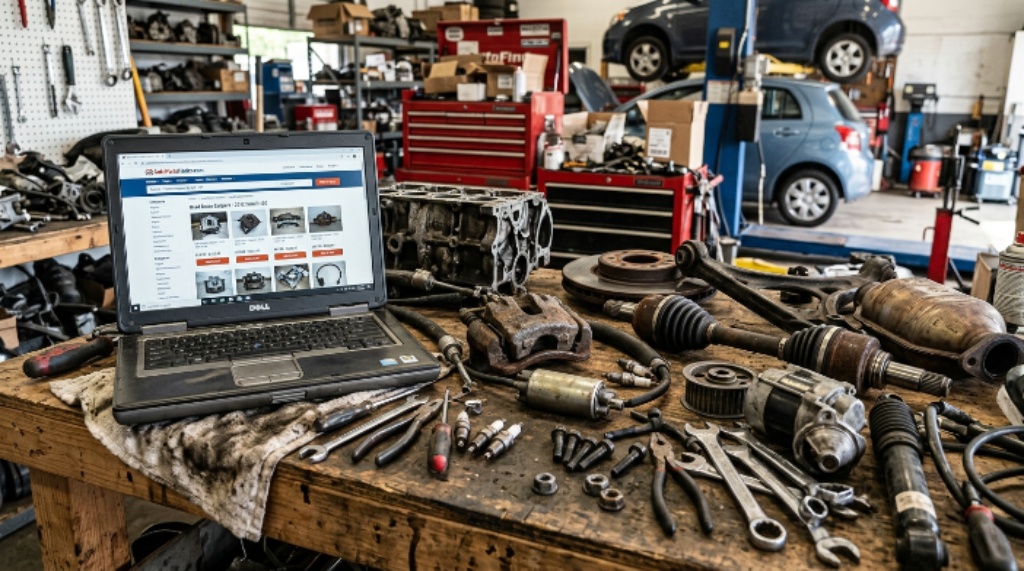
Photos reveal valuable information beyond written descriptions.
Clear images help identify cracks, corrosion, missing hardware, and excessive wear.
Request additional photos whenever important areas remain hidden.
A trustworthy seller normally provides extra images without hesitation.
Mistake 5: Overlooking Part Condition
Used parts vary greatly in quality.
Some components have minimal wear, while others approach the end of their lifespan.
Understand Condition Terms
Learn the difference between used, rebuilt, refurbished, and remanufactured parts.
Each description represents different repair standards and expected performance.
Ask About Previous Usage
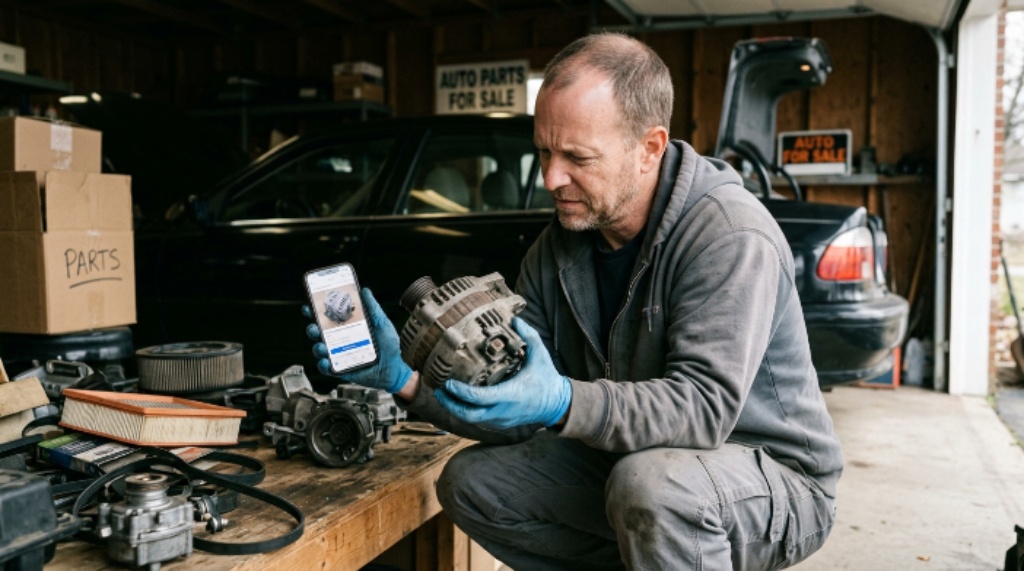
Mileage often provides useful insight into remaining service life.
Ask whether the donor vehicle suffered collision damage affecting the component.
Mistake 6: Ignoring Return Policies
Even careful buyers occasionally receive incorrect parts.
Therefore, review the return policy before placing your order.
Check these important details:
- Return window
- Return shipping responsibility
- Restocking fees
- Refund method
- Exchange availability
Flexible return policies reduce financial risk when unexpected problems occur.
Mistake 7: Forgetting Warranty Coverage
Many shoppers assume used parts never include warranties.
Fortunately, many reputable sellers offer limited warranty protection.
Warranty coverage provides confidence if the part fails shortly after installation.
Always request written warranty information before purchasing expensive components.
Mistake 8: Buying Safety Critical Parts Carelessly
Some vehicle parts deserve extra caution.
Braking, steering, suspension, and airbag components directly affect occupant safety.
If authenticity cannot be confirmed, avoid purchasing these critical items online.
Quality matters far more than short term savings for safety systems.
Mistake 9: Ignoring Compatibility Details
Vehicle manufacturers frequently update components during production years.
Therefore, similar vehicles may require different replacement parts.
Read every compatibility note before completing your purchase.
Never assume matching exterior appearance guarantees proper operation.
Mistake 10: Not Asking Questions
Product listings rarely answer every concern.
Contact the seller whenever information seems incomplete.
Useful questions include:
- Has the part been tested?
- Was it removed from a running vehicle?
- Are connectors undamaged?
- Does it include mounting hardware?
- Has any repair been performed?
Professional sellers appreciate informed buyers asking reasonable questions.
Mistake 11: Forgetting Shipping Costs
Heavy auto parts often require expensive shipping.
An attractive purchase price may become less appealing after delivery charges.
Also, oversized items sometimes include additional handling fees.
Calculate the complete purchase cost before comparing different listings.
Mistake 12: Missing Signs of Counterfeit Parts
Counterfeit automotive components continue appearing across online marketplaces.
Fake products often imitate trusted brands while using inferior materials.
Watch for these warning signs:
- Prices far below market value
- Poor packaging quality
- Missing manufacturer labels
- Unclear product origin
- Generic descriptions
Authentic parts generally include proper identification and traceable information.
Mistake 13: Buying Without Installation Planning
Some buyers purchase parts before confirming installation requirements.
Certain replacements need specialized tools or programming procedures.
Research installation complexity before ordering expensive electronic components.
Professional installation sometimes protects both performance and warranty coverage.
Mistake 14: Ignoring Electrical Component Testing
Electronic modules require extra attention before purchase.
Many electrical problems remain invisible during visual inspection.
Ask whether diagnostic testing confirmed normal operation before removal.
Testing documentation increases confidence when buying electronic components.
Mistake 15: Failing to Compare Multiple Listings
Buying the first available listing limits your options.
Compare condition, warranty, mileage, shipping, and seller reputation carefully.
Better value often appears after reviewing several similar listings.
Patience frequently produces better purchasing decisions.
Smart Buying Checklist
Follow this checklist before every purchase:
- Confirm the exact manufacturer part number.
- Verify vehicle compatibility carefully.
- Review seller ratings and feedback.
- Examine every available photograph.
- Read the complete product description.
- Understand warranty coverage.
- Check return conditions.
- Compare several listings.
- Confirm shipping costs.
- Save purchase records and communications.
Which Used Parts Are Usually Safe to Buy?
Many used components perform reliably when properly inspected.
Body panels, mirrors, wheels, interior trim, seats, and glass often provide excellent value.
Alternators, starters, engines, and transmissions may also perform well with documented testing.
Meanwhile, safety components deserve stricter inspection before installation.
Conclusion
Buying used auto parts online offers excellent savings when approached carefully. Verify compatibility, research sellers, review warranties, and inspect every listing before paying. Following these simple practices helps you avoid expensive mistakes while keeping your vehicle reliable for years ahead. Start every purchase with careful research instead of rushing toward the lowest price.
FAQs
How do I know if a used auto part fits my vehicle?
Match the manufacturer part number and verify compatibility using your vehicle information.
Are used auto parts reliable?
Yes, quality used parts remain reliable when purchased from reputable sellers and properly inspected.
Should I buy safety related used parts online?
Only buy safety related parts when authenticity, condition, and compatibility are fully verified.
Is a warranty important for used auto parts?
Yes, a warranty provides valuable protection if the part fails after installation.
What is the biggest mistake buyers make?
Ordering without confirming the exact part number causes the most purchasing problems.