Solo road trips offer freedom and adventure. However, traveling alone requires extra preparation to stay safe. This guide covers the essential items and planning steps you need before hitting the open road.
Pre-Trip Vehicle Inspection
Your car needs a thorough check before any long journey. Start by examining your tires for proper inflation and tread depth. Worn tires can lead to blowouts, which are dangerous when you’re driving alone.
Next, check all fluid levels. This includes engine oil, coolant, brake fluid, and windshield washer fluid. Low fluids can cause breakdowns in remote areas where help is far away.
Additionally, test your battery’s charge. A weak battery might start your car at home but fail in extreme temperatures. Most auto parts stores offer free battery testing.
Emergency Tool Kit Basics
Every solo traveler needs a comprehensive emergency kit. Start with jumper cables or a portable jump starter. These tools help you restart your car without waiting for another driver.
Include a tire pressure gauge and portable air compressor. Maintaining proper tire pressure improves fuel efficiency and prevents flats. Therefore, checking pressure regularly during long trips is smart.
Pack a basic tool set with screwdrivers, pliers, and wrenches. While you may not be a mechanic, simple tools help with minor adjustments. For example, you might need to tighten a loose battery cable or adjust a side mirror.
A flashlight with extra batteries is crucial. Roadside emergencies don’t follow schedules, and many occur after dark. Consider adding a headlamp for hands-free lighting when working on your vehicle.
Safety and Communication Equipment
Communication devices are your lifeline during emergencies. Keep your phone fully charged and bring a car charger or power bank. However, cell service isn’t guaranteed in remote areas.
Consider investing in a roadside assistance membership. Services like AAA provide towing, fuel delivery, and lockout assistance across the country. According to the American Automobile Association, millions of drivers use these services annually for peace of mind.
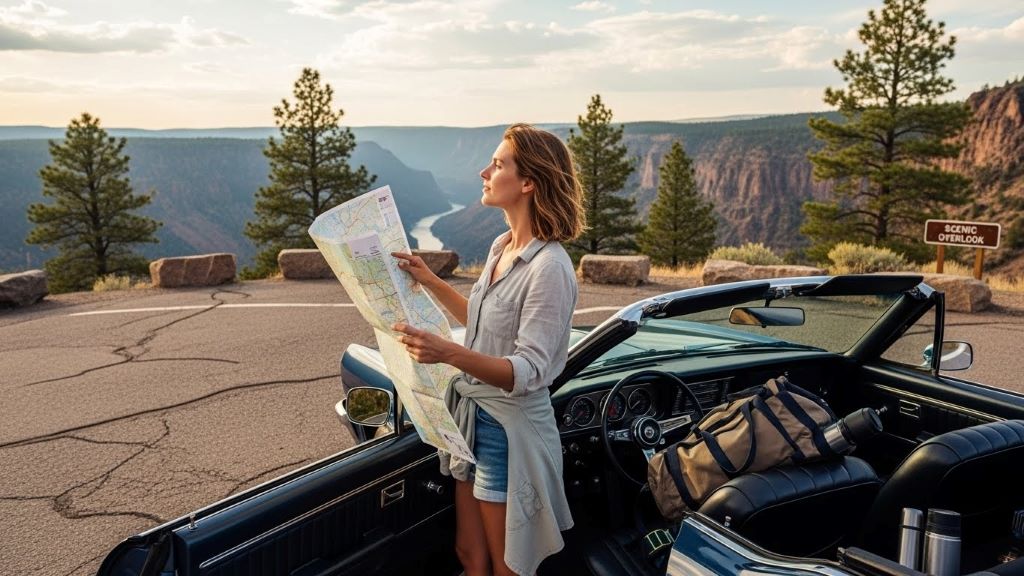
A physical road atlas serves as backup navigation. GPS devices and phones can fail or lose signal. Paper maps never need batteries and work everywhere.
Pack a whistle and reflective vest for visibility. If you need to exit your vehicle on a busy highway, these items help other drivers see you. Additionally, they’re useful for attracting attention if you’re stranded.
First Aid and Personal Safety Items
A well-stocked first aid kit addresses common injuries. Include bandages, antiseptic wipes, pain relievers, and any personal medications. Check expiration dates before your trip and replace outdated items.
Keep a fire extinguisher in your car. Small vehicle fires can be controlled quickly if you have the right equipment. Choose an extinguisher rated for automotive use.
Personal protection devices add security. Options include pepper spray, a personal alarm, or a safety hammer that breaks windows. These items provide confidence when parking in unfamiliar areas.
Store a blanket or sleeping bag in your trunk. If you’re stranded overnight in cold weather, staying warm becomes critical. Hypothermia can set in quickly without proper protection.
Food, Water, and Survival Supplies
Pack more water than you think necessary. The general rule is one gallon per person per day. Therefore, a three-day supply for a solo traveler means three gallons minimum.
Non-perishable snacks provide energy during unexpected delays. Good options include protein bars, nuts, dried fruit, and crackers. These foods don’t spoil in hot car temperatures.
Include a multi-tool or Swiss Army knife. These compact devices offer various functions like cutting, opening cans, and making small repairs. They’re invaluable in survival situations.
Waterproof matches or a lighter help start fires for warmth or signaling. Even if you don’t plan to camp, these items are essential emergency supplies.
Navigation and Route Planning
Plan your route carefully before departing. Share your itinerary with a trusted friend or family member. Include planned stops, accommodation addresses, and expected arrival times.
Download offline maps for your route. Apps like Google Maps allow offline access to directions. This feature works even without cell service.
Research gas stations along your route. Know the distances between fuel stops, especially in rural areas. Running out of gas while alone is both dangerous and avoidable.
Identify safe rest stops and well-lit parking areas. According to Consumer Reports, planning rest breaks every two hours reduces fatigue-related accidents. Therefore, knowing where to stop safely is essential.
Weather-Specific Preparations
Check weather forecasts for your entire route. Conditions change quickly, especially in mountainous regions. Adjust your departure time if severe weather is predicted.
For winter travel, add ice scrapers, snow brushes, and tire chains. These items are mandatory in some mountain passes. Sand or kitty litter provides traction if you’re stuck in snow.
Summer trips require extra coolant and sun protection. Keep sunscreen, sunglasses, and a hat accessible. Heat exhaustion affects drivers quickly in broken-down vehicles without air conditioning.
Rain gear protects you during roadside emergencies. A waterproof jacket and boots let you change tires or check under the hood without getting soaked.
Document Organization and Copies
Keep important documents organized and accessible. This includes your driver’s license, vehicle registration, insurance card, and emergency contacts.
Make copies of all documents. Store physical copies separately from originals. Additionally, keep digital copies on your phone or cloud storage.
Carry your vehicle’s owner manual. This reference helps you locate fuses, understand warning lights, and perform basic maintenance. Many newer cars also include digital manuals in their infotainment systems.
Write down your insurance company’s roadside assistance number. Program it into your phone and keep a written copy in your glove box.
Entertainment and Comfort Items
Long solo drives can feel isolating. Download podcasts, audiobooks, or playlists before leaving. Streaming services consume data and don’t work without internet connection.
Pack comfortable clothing and shoes. You might spend many hours driving, so prioritizing comfort prevents fatigue. Keep a change of clothes accessible for unexpected situations.
Bring a travel pillow and eye mask. These items help you rest during planned breaks. Quality rest prevents dangerous drowsy driving.
Financial Preparations
Carry cash in addition to credit cards. Some rural gas stations or mechanics don’t accept cards. Having backup payment methods prevents being stranded without fuel.
Keep emergency money separate from your regular wallet. Hide it in your car in case your wallet is lost or stolen.
Budget extra money for unexpected expenses. Car repairs, additional hotel nights, or medical needs can arise suddenly.
Conclusion
Solo road trip safety requires thorough planning and the right equipment. Start with a complete vehicle inspection and emergency tool kit. Add communication devices, first aid supplies, and survival essentials. Plan your route carefully, share it with others, and prepare for various weather conditions. Keep important documents organized and accessible. With proper preparation, you can enjoy the freedom of solo travel while minimizing risks. Remember that the best emergency supplies are the ones you hope never to use but are grateful to have when needed.
Frequently Asked Questions
How often should I check my vehicle during a long road trip?
Check your vehicle at every gas stop or every 200 miles. This includes tire pressure, fluid levels, and listening for unusual sounds. Regular checks help catch problems before they become emergencies.
What’s the most important safety item for solo road trips?
A fully charged phone with a car charger is essential. It allows you to call for help, access navigation, and stay connected. However, pair it with a roadside assistance membership for comprehensive coverage.
How much emergency water should I carry?
Carry at least one gallon per day of travel. For a three-day trip, pack three gallons minimum. Store water in durable containers and replace it every six months.
Should I drive at night when traveling alone?
Avoid night driving when possible, especially in unfamiliar areas. If you must drive after dark, stick to major highways and well-lit routes. Take extra breaks to combat fatigue.
What should I do if my car breaks down in a remote area?
Stay with your vehicle unless you can see help nearby. Call roadside assistance, turn on hazard lights, and make yourself visible. Use your emergency supplies while waiting for help.
Related Topics:
DIY Car Side Mirror Defogging: Banishing Blind Spots
Sticky Situation Solved: How to Get Tree Sap Off Your Car (Without Losing Your Mind)