Every car owner wants a smooth, safe ride, but many overlook a simple task: tire rotation. Car tire rotation intervals can extend tire life, improve fuel efficiency, and ensure safety. I learned this the hard way when uneven tire wear led to a costly replacement. Regularly rotating tires balances wear, saving money and enhancing performance. According to the National Highway Traffic Safety Administration (NHTSA), proper tire maintenance reduces the risk of accidents by 10%. This blog post shares why car tire rotation intervals matter, how to schedule them, and tips to keep your tires in top shape. Let’s dive into the journey of tire care!
What Is Tire Rotation and Why Does It Matter?
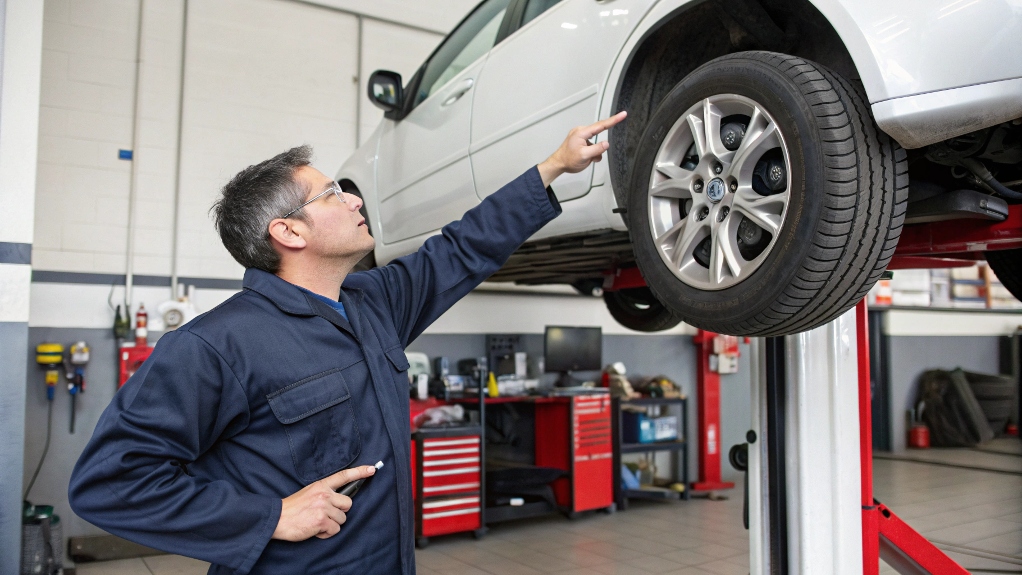
Tire rotation involves moving tires between different positions on a vehicle to ensure even wear. Each tire wears differently based on its position, driving habits, and vehicle type. For instance, front tires on front-wheel-drive cars wear faster due to steering and braking. Rotating tires helps them last longer and perform better.
Neglecting car tire rotation intervals can lead to uneven wear, reducing traction and increasing blowout risks. A study by Michelin found that regular rotations extend tire life by up to 20%. My first car’s tires wore out quickly because I skipped rotations, costing me hundreds. By sticking to a schedule, you save money and ensure a safer ride. Check your owner’s manual for specific recommendations.
How Often Should You Rotate Your Tires?
Car tire rotation intervals typically range from 5,000 to 8,000 miles, depending on your vehicle and driving conditions. Most manufacturers suggest rotating every 6,000 miles or during oil changes. However, aggressive driving or rough roads may require more frequent rotations. For example, SUVs or trucks may need rotations closer to 5,000 miles due to heavier loads.
Consulting your vehicle’s manual is key, as intervals vary. According to Goodyear, rotating tires every 6,000 miles can save up to $200 annually on replacements. I now rotate my tires every oil change, and the difference in handling is noticeable. If you’re unsure, ask a mechanic during routine maintenance. Sticking to a schedule prevents uneven wear and keeps your car running smoothly.
Factors Affecting Car Tire Rotation Intervals
Several factors influence how often you should rotate tires. Driving habits, road conditions, and vehicle type play significant roles. City drivers with frequent stops may need more regular rotations than highway commuters. Similarly, rough terrains like gravel roads accelerate tire wear, requiring shorter intervals.
Vehicle alignment and tire type also matter. Misaligned wheels cause uneven wear, making rotations critical. High-performance tires may wear faster, needing closer attention. A Tire Rack study revealed that misaligned vehicles can reduce tire life by 15%. I once ignored a slight pull in my steering, only to find unevenly worn tires. Regular alignments and rotations now keep my car balanced. Monitor these factors to adjust your schedule accordingly.
Key Factors to Consider:
- Driving Style: Aggressive braking or speeding increases wear.
- Road Conditions: Rough roads demand more frequent rotations.
- Vehicle Type: Heavier vehicles need shorter intervals.
Types of Tire Rotation Patterns
Tire rotation patterns depend on your vehicle’s drivetrain and tire type. Common patterns include front-to-back, cross, and X-pattern rotations. Front-wheel-drive cars benefit from cross patterns, moving front tires to the opposite rear side. Rear-wheel-drive vehicles often use front-to-back rotations.
Directional or staggered tires require specific patterns to maintain performance. For instance, all-wheel-drive cars may need an X-pattern for balanced wear. According to Bridgestone, using the correct pattern improves tire longevity by 10–15%. I once mixed up patterns on my SUV, causing uneven wear. Now, I follow my mechanic’s advice for my all-wheel-drive car. Always check your manual or consult a professional to choose the right pattern.
Common Rotation Patterns:
- Front-to-Back: Moves front tires to rear, same side.
- Cross Pattern: Swaps front and rear tires diagonally.
- X-Pattern: Switches all tires in a crisscross manner.
Benefits of Sticking to Car Tire Rotation Intervals
Regular tire rotations offer multiple benefits, from cost savings to improved safety. Even wear ensures better traction, reducing skids on wet roads. They also enhance fuel efficiency by minimizing rolling resistance. The NHTSA reports that proper tire maintenance can boost fuel economy by 3–5%.
Additionally, rotations extend tire life, delaying costly replacements. When I started rotating my tires every 6,000 miles, I noticed smoother rides and fewer alignment issues. Neglecting rotations can lead to vibrations or poor handling, risking safety. By maintaining car tire rotation intervals, you protect your wallet and ensure a comfortable, secure drive. It’s a small effort with big rewards.
DIY vs. Professional Tire Rotation: Which Is Better?
You can rotate tires at home with basic tools, but professional services offer expertise. DIY rotations save money but require a jack, stands, and torque wrench. Ensure you follow the correct pattern and torque settings to avoid damage. I tried a DIY rotation once but overtightened a bolt, causing stress.
Professional rotations, often $20–$50, ensure precision and include inspections for alignment or tire damage. Mechanics can spot issues early, preventing bigger problems. According to AAA, professional maintenance catches 30% more tire issues than DIY checks. I now trust my mechanic for rotations, saving time and worry. Choose based on your skill and comfort level.
Tips to Maintain Your Tires Between Rotations
Beyond car tire rotation intervals, daily care keeps tires in top shape. Check tire pressure monthly, as underinflation reduces lifespan by 10%, per Tire Rack. Inspect for cuts, bulges, or uneven wear regularly. I once found a nail in my tire during a routine check, avoiding a flat.
Rotate spare tires if applicable, and ensure proper storage to prevent cracking. Avoid overloading your vehicle, as excess weight strains tires. Clean tires to remove debris, and schedule alignments yearly. These habits complement rotations, ensuring safety and longevity. Simple checks can save you from unexpected repairs.
Quick Tire Care Tips:
- Check Pressure: Use a gauge monthly.
- Inspect Visually: Look for damage or wear.
- Align Annually: Prevent uneven wear.
Conclusion
Car tire rotation intervals are a small but vital part of vehicle maintenance. They save money, boost safety, and ensure a smooth ride. By rotating tires every 5,000–8,000 miles, you extend their life and improve performance. My early mistake of skipping rotations taught me their value, and now my car handles like a dream. Follow your vehicle’s manual, monitor driving conditions, and choose the right rotation pattern. Whether you go DIY or professional, consistency is key.
Read More Also: Unlocking the Future: Eco-Conscious Auto Loan Programs Driving Sustainable Mobility
FAQs
Why do car tire rotation intervals matter?
Regular rotations ensure even tire wear, improving safety, fuel efficiency, and tire longevity, saving money.
How often should I rotate my tires?
Most vehicles need rotations every 5,000–8,000 miles, but check your owner’s manual for specifics.
Can I rotate my tires myself?
Yes, with proper tools and knowledge, but professional rotations ensure precision and catch hidden issues.
What happens if I skip tire rotations?
Skipping rotations causes uneven wear, reducing traction, increasing blowout risks, and shortening tire life.
Do tire rotation intervals vary by vehicle?
Yes, intervals depend on vehicle type, driving habits, and road conditions, typically 5,000–8,000 miles.