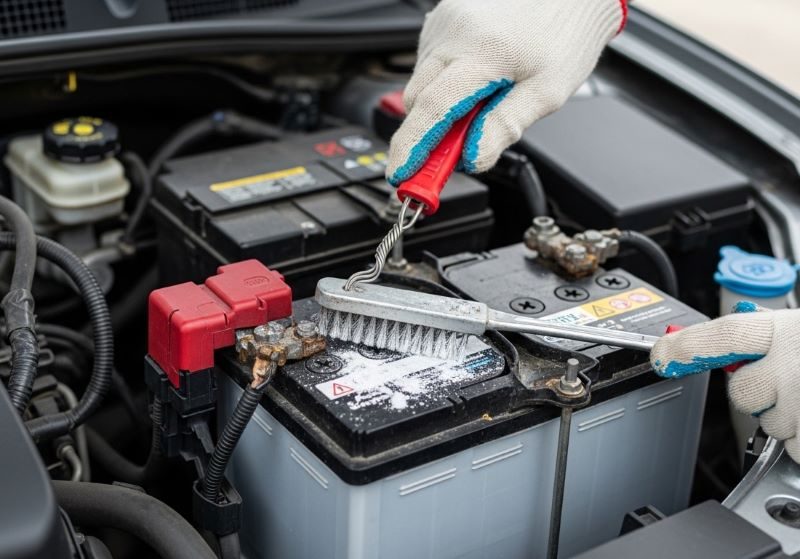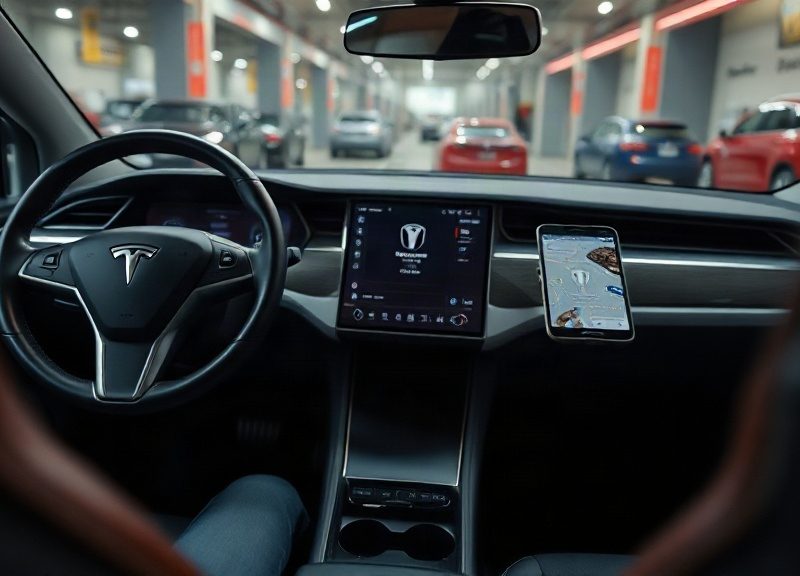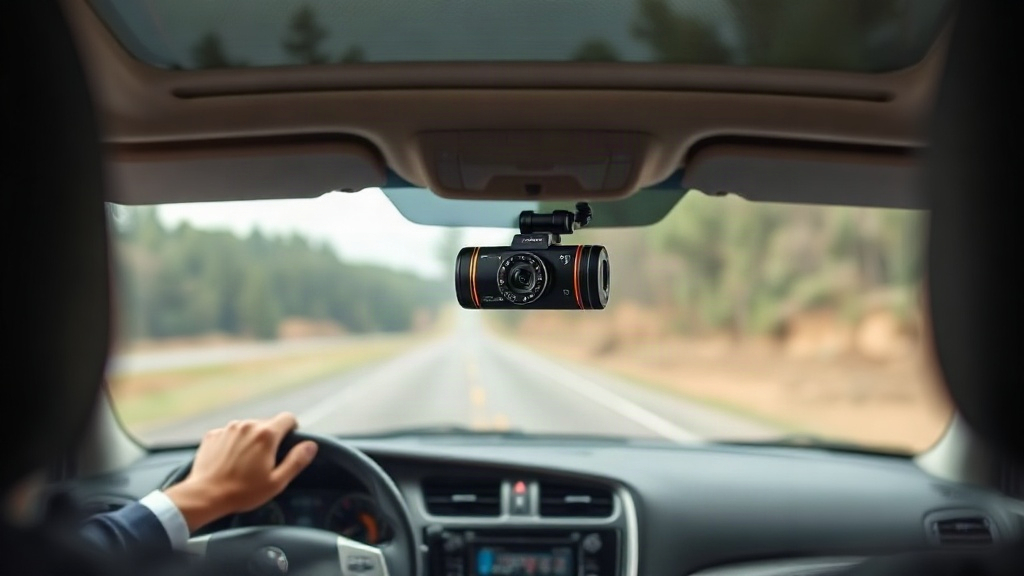
A parking-lot ding with no witness. A cyclist who swears you cut him off. A hit-and-run at a red light. The question behind Best Dash Cams for Cars in 2026: Protect Your Ride is simple: which camera actually records the proof you need, day or night?
Quick answer: Buy a camera with at least 1440p resolution, a Sony STARVIS 2 sensor, and a supercapacitor instead of a battery. Add a high-endurance memory card and hardwire the unit for parking mode. Those four choices matter more than brand names or flashy extras.
This guide ranks five strong picks, compares their specs side by side, and explains how to choose one for your car, climate, and budget.
Quick picks at a glance
Five cameras cover nearly every driver. Each one earns its spot for a different reason, so match the pick to your situation rather than to the price tag.
Best overall: Viofo A229 Pro 2CH. A 4K front camera paired with a 2K rear unit, dual Sony STARVIS 2 sensors, and buffered parking mode. It is the safest all-around choice for most drivers.
Best value: Vantrue N4 Pro. A three-channel setup—front, cabin, and rear—for about what rivals charge for two cameras. Rideshare drivers get the most from it.
Best budget pick: 70mai A810. A 4K Sony sensor and reliable GPS logging for well under $200. It skips cloud features and a screen, which keeps the price low.
Best for night driving: Viofo A139 Pro. The first single-channel camera to use a STARVIS 2 sensor in 4K. Tested footage shows clean plate reads in low light that older sensors smear.
Best premium option: BlackVue DR970X-2CH Plus. Built-in 4G LTE, cloud backup, and a sleek cylindrical body that hides behind the mirror. It suits drivers who want remote alerts when parked.
Two accessories belong on every list: a high-endurance microSD card rated for continuous recording, and a hardwire kit if you want parking surveillance. Standard cards fail early in dash cams because they overwrite constantly.
Match the card size to your channel count. A single-channel 4K camera fills a 128GB card in roughly six to eight hours of driving, while a three-channel Vantrue setup can halve that. Buy the largest high-endurance card your budget allows, then format it every few weeks to keep the file system clean.
Hardwire kits differ more than shoppers expect. Look for one with an adjustable voltage cutoff and a fuse tap sized for your car’s fuse type; cheap kits skip both and can leave you with a dead battery or a blown circuit.
Comparison table
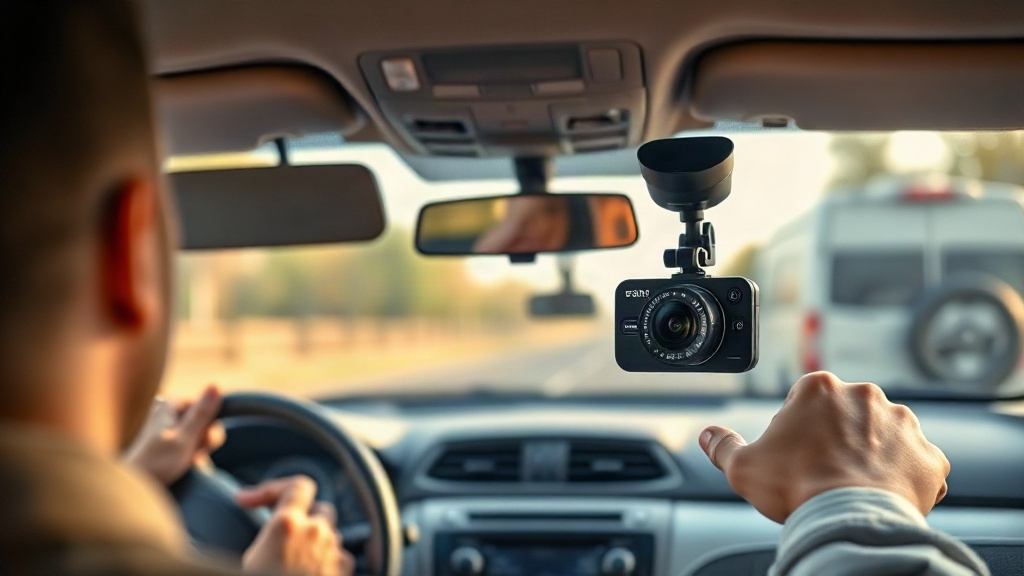
Prices shift with sales, so treat the figures below as approximate U.S. street prices for a standard two-channel kit. What matters is how the specs line up with your daily driving.
Comparison: top dash cam picks for 2026
| Model | Price (approx.) | Resolution | Best use case |
|---|---|---|---|
| Viofo A229 Pro 2CH | $250–$300 | 4K front + 2K rear | Best overall for most drivers |
| Vantrue N4 Pro | $220–$280 | 4K + cabin + rear | Rideshare and family vehicles |
| 70mai A810 | $150–$190 | 4K single channel | Budget buyers who want sharp footage |
| Viofo A139 Pro | $200–$250 | 4K single channel | Night driving and plate reads |
| BlackVue DR970X-2CH Plus | $400–$480 | 4K front + 2K rear | Cloud monitoring and parked-car security |
Notice the pattern: dual-channel kits cost more because you pay for a second camera and a longer cable run. Single-channel units win on price and simplicity.
One spec deserves extra attention. The A139 Pro and A229 Pro use Sony’s second-generation STARVIS sensor, which captures more light per pixel. That advantage shows up mostly at night, when license plates are hardest to read.
Consider what each kit includes before comparing prices. Viofo sells the A229 Pro and A139 Pro with the rear camera and GPS module bundled in some regions and sold separately in others, so confirm the box contents. BlackVue kits frequently list a smaller card, and expanding to 256GB adds real money. A $250 kit with everything included can cost less than a $200 camera once you add the parts you actually need.
Heat tolerance also separates these cameras in daily use. Supercapacitor models from Viofo and Vantrue are rated to operate well past 140°F, while long summer days parked in the sun still shorten any camera’s life. Mounting behind the mirror’s shade or under a tint strip buys extra years, and that placement matters more than the warranty length printed on the box.
Many cameras ship with a basic card that fails within months. Budget for a 128GB high-endurance card from a known brand, and format it in the camera before first use.
Individual reviews of the top picks
Each review below covers what the camera does well, where it falls short, and who should buy it. Pros and cons reflect documented specifications and owner reports rather than claims of lab testing.
Prices below reflect typical U.S. street prices; watch for bundle discounts, since accessory kits often cost less when bought with the camera. Owner reports on heat and card failures are worth reading alongside the spec sheets, as they reveal how each unit holds up after a year of daily driving.
Viofo A229 Pro 2CH: best overall
This dual-channel kit records 4K up front and 2K in back, both with STARVIS 2 sensors. Buffered parking mode saves footage from the seconds before an impact, which matters when someone backs into your bumper.
Pros
- Dual STARVIS 2 sensors deliver strong night footage front and rear
- Buffered parking mode captures the moments before an impact
- Supercapacitor design handles hot dashboards better than batteries
Cons
- The optional Bluetooth GPS module costs extra
- Rear cable routing takes patience in tight hatchbacks
Vantrue N4 Pro: best value three-channel
Three lenses watch the road, the cabin, and behind you. The infrared cabin camera stays usable in darkness, which helps rideshare drivers document passenger disputes.
Pros
- Three channels for roughly the price of two
- Infrared cabin view works in a dark parked car
- Built-in GPS logs speed and location
Cons
- Three 4K-class streams demand a large, fast memory card
- The cabin lens adds bulk near the mirror
70mai A810: best budget pick
A 4K sensor with HDR and built-in GPS for well under $200. The trade-off is a small screen and fewer parking features than pricier rivals.
Pros
- Sharp 4K footage at a budget price
- Built-in GPS needs no extra module
- Compact body hides easily behind the mirror
Cons
- Parking mode requires a separate hardwire kit
- No rear camera option in the base kit
Viofo A139 Pro: best for night driving
This single-channel camera pairs 4K with a STARVIS 2 sensor. Low-light plate reads are its standout strength, and the simple install suits drivers who only need forward coverage.
Pros
- Excellent low-light detail for a single-lens unit
- Straightforward windshield-only installation
- Supports buffered parking mode with a hardwire kit
Cons
- No rear coverage without buying a second unit
- The wedge mount blocks a little more glass than slim rivals
BlackVue DR970X-2CH Plus: best premium option
Cloud connectivity is the headline. The camera uploads clips over 4G LTE and sends alerts when its sensors trigger while parked, so you can check on your car from anywhere.
Pros
- Built-in LTE enables remote viewing and cloud backup
- Discreet cylindrical body fits behind the mirror
- Reliable parking alerts pushed to your phone
Cons
- Highest price on this list before LTE service costs
- Cloud features require a data plan and setup time
Buying guide: how to choose
A dash cam is a recorder, not a magic witness. Choose one that keeps recording reliably for years in your climate, then let the specs follow.
Start with where the camera will sit. Measure the space behind your mirror and check that the lens clears any rain sensor or camera housing built into the glass, because a mount that crowds those sensors can block your car’s own driver-assistance features.
Resolution and sensor matter more than megapixels
1440p is the sensible floor; 4K helps most when reading plates at a distance. The sensor behind the lens decides night quality. Look for Sony STARVIS or STARVIS 2 branding, and check sample night footage before buying.
Power source: supercapacitor over battery
Lithium batteries degrade in heat. A supercapacitor survives summer dashboards and winter cold far better, and it charges almost instantly. Every pick above uses one.
Parking mode and hardwiring
Parking mode records while the car is off, usually triggered by motion or impact. It needs a hardwire kit with a voltage cutoff so it cannot drain your battery. Buffered mode, which saves pre-impact footage, is worth paying for.
Memory cards and storage limits
High-endurance cards only. A 128GB card typically holds several hours of 4K dual-channel footage before looping over the oldest files. Larger cards last longer between swaps but cost more.
Field of view, heat, and mounting
Aim for a viewing angle of 140 to 160 degrees—wide enough for adjacent lanes without heavy edge distortion. In hot climates, avoid cameras mounted in direct sun; a tint strip or a spot behind the mirror helps. Check that the mount uses adhesive or a wedge design that survives heat, not a suction cup that droops.
Extra features worth paying for
GPS adds speed and location stamps to clips. Wi-Fi lets you pull footage to your phone at the roadside. Cloud service helps if the car sits unattended. Skip subscriptions you will not use; they add recurring cost to a one-time purchase.
Some states restrict windshield mounting or recording audio without consent. Check local rules before you install a camera, especially one that records cabin conversations.
FAQ
How much should I spend on a dash cam in 2026?
Plan on $150 to $300 for a camera worth keeping. Budget kits under $100 often skimp on the sensor or ship with weak cards. Spending $400 or more buys cloud features rather than better footage.
Do I need a rear camera?
A rear camera helps in rear-end collisions, parking lot hits, and road-rage incidents behind you. If you drive mostly in traffic, a front-only unit covers most claims. Rideshare and highway drivers benefit most from two channels.
Will a dash cam drain my car battery?
Only if parking mode runs without a voltage cutoff. A hardwire kit with a cutoff stops recording when the battery drops to a safe level. Most kits let you set that threshold.
Can I install a dash cam myself?
Yes, for most cars. Windshield mounting and cable routing along trim take 30 to 60 minutes. Hardwiring to the fuse box is trickier; a professional install typically costs $75 to $150.
How long do dash cams last?
Expect three to five years from a supercapacitor model kept out of direct sun. Memory cards usually fail first, so replace them every year or two.
Are dash cam videos admissible in court?
Footage is generally usable as evidence if it is unedited and shows a clear timestamp. Rules differ by jurisdiction, so keep original files and consult a lawyer for serious claims.
Final verdict
For most drivers, the Viofo A229 Pro 2CH is the pick that balances price, night quality, and parking protection. Budget buyers should take the 70mai A810, night-heavy commuters the A139 Pro, rideshare drivers the Vantrue N4 Pro, and cloud-minded owners the BlackVue.
Whichever you choose, pair it with a high-endurance card and format it before the first drive. Then mount the camera, confirm the footage looks sharp on your phone, and drive with one less thing to worry about. That is what Best Dash Cams for Cars in 2026: Protect Your Ride really comes down to: a camera that keeps recording when it counts.