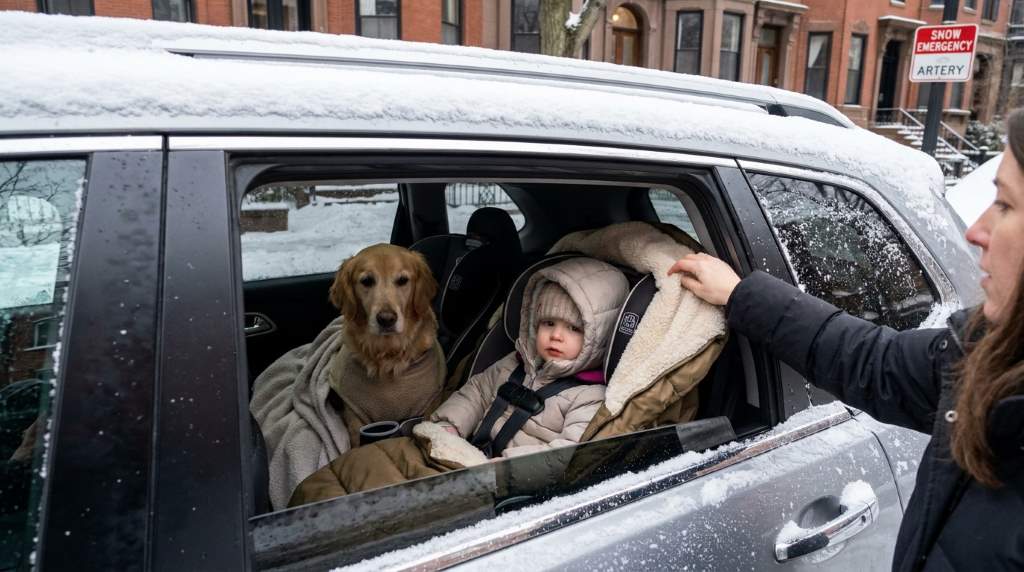
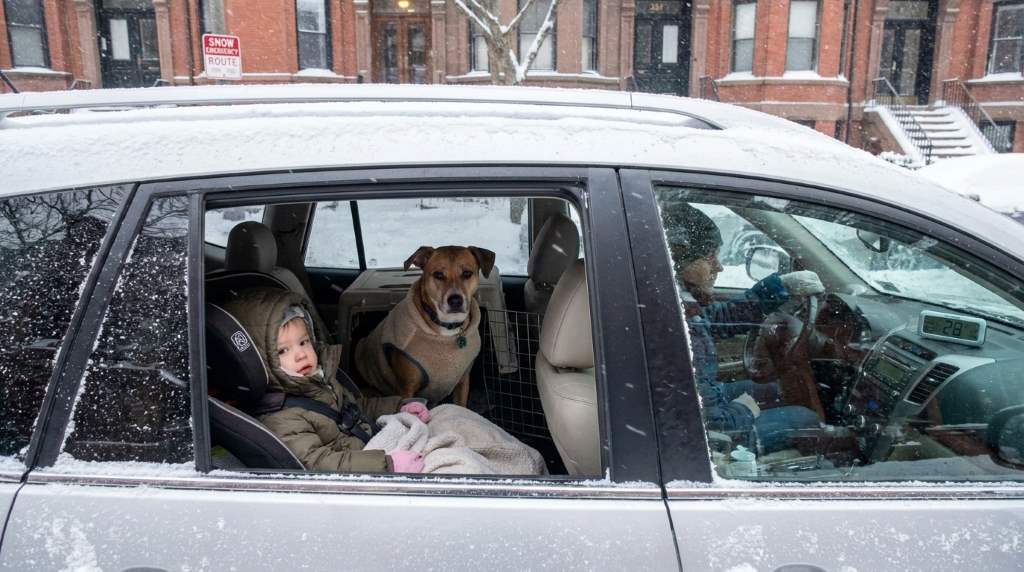
Winter temperatures in Boston, MA often fall below freezing, and vehicles can lose heat very quickly when parked outdoors. According to weather safety experts, the inside of a parked car may become dangerously cold within minutes during severe winter conditions. Many parents and pet owners underestimate how cold can a car get in winter, especially during overnight parking or snowstorms. Therefore, understanding the risks and preparing properly can help families avoid emergencies. This guide explains practical ways to protect children and pets inside vehicles during Boston’s harsh winter months.
Why Cold Vehicles Become Dangerous So Quickly
Cold air enters vehicles through windows, door seals, and metal surfaces very fast during winter. Additionally, parked cars lose trapped heat much quicker than most people expect. Young children and pets cannot regulate body temperature as effectively as healthy adults. As a result, they face a much higher risk of hypothermia during cold weather exposure.
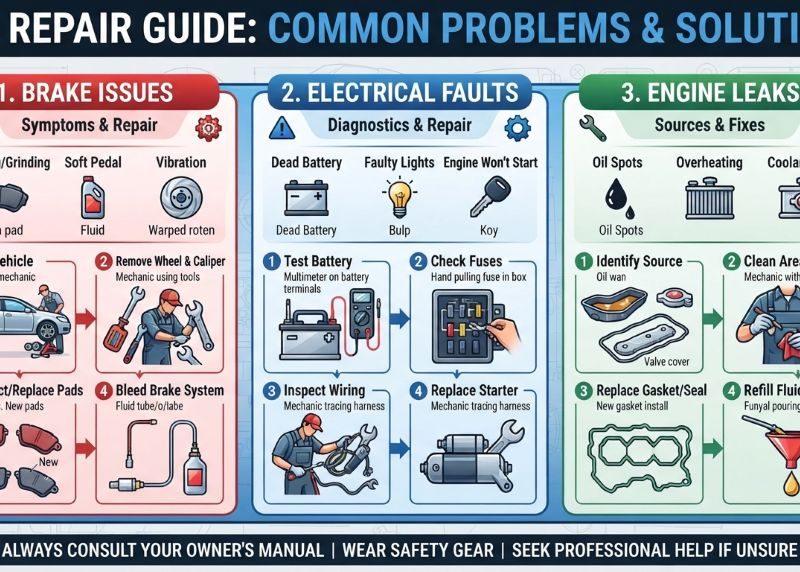
Boston experiences heavy snowfall, freezing rain, and strong coastal winds throughout winter. Consequently, vehicles parked outside overnight often become dangerously cold by early morning. Ice buildup may also block proper ventilation or freeze door locks shut. Drivers dealing with electrical problems should also understand common cold weather vehicle issues through auto repair financing electrical system guidance before winter becomes severe.
Prepare Your Vehicle Before Winter Arrives
Winter preparation reduces the risk of sudden breakdowns and unsafe cabin temperatures during travel. Drivers should inspect batteries, heaters, windshield defrosters, and tires before temperatures drop sharply. Moreover, emergency supplies should remain inside the vehicle throughout the entire winter season. Small preparations often prevent major safety problems later.
Important Winter Safety Supplies
- Thermal blankets for children and pets
- Portable phone charger
- Extra gloves, socks, and hats
- Battery-powered flashlight
- Non-perishable snacks and bottled water
- Pet carriers with warm padding
- Ice scraper and snow brush
- First aid kit
Vehicle owners should also keep fuel tanks at least half full during winter months. This habit reduces fuel line freezing and helps maintain heat during traffic delays. Furthermore, extra fuel becomes important when storms block Boston roads unexpectedly. Reliable heating systems can make a major difference during emergency situations.
Never Leave Kids or Pets Alone in Cold Vehicles
Many people associate vehicle dangers only with summer heat, yet winter conditions can be equally deadly. Even a short stop inside a store may expose children or pets to freezing temperatures. Additionally, young children cannot communicate discomfort clearly once cold stress begins affecting the body. Pets often hide symptoms until conditions become severe.
Dogs, cats, and small animals lose body heat rapidly inside unheated vehicles during Boston winters. Short-haired breeds and older pets face especially high risks in freezing conditions. Therefore, owners should always bring pets indoors whenever possible during errands. Warm blankets alone cannot fully protect animals during extended cold exposure.
Massachusetts law enforcement also treats child and pet neglect in vehicles seriously during dangerous weather conditions. Authorities may intervene if they believe someone faces immediate harm inside a locked vehicle. Consequently, drivers should never assume a quick stop is completely safe during freezing weather. Prevention remains the best protection strategy.
Use Proper Winter Car Seat Safety for Children
Bulky winter coats create hidden safety risks when children ride inside car seats during cold weather. Thick padding prevents harness straps from fitting tightly against the child’s body. Therefore, straps may loosen dangerously during sudden stops or collisions. Safety experts recommend using thin layers under harnesses instead.
Parents should warm the vehicle first before placing children inside during freezing mornings. Heated interiors help children remain comfortable without oversized winter clothing in car seats. Additionally, blankets may go over secured harness straps after buckling children properly. This method keeps kids warm while maintaining crash safety standards.
Boston parents often struggle with icy seat buckles and frozen door handles during severe storms. Silicone buckle covers and winter weather protectants can reduce these daily frustrations significantly. Moreover, checking seat installation regularly becomes especially important after snowy road travel. Road vibrations and thick clothing can loosen straps gradually over time.
Protect Pets During Winter Vehicle Travel
Pets require proper restraint systems during winter driving to prevent injuries and reduce distractions. Carriers lined with insulated blankets provide additional warmth during long trips in freezing temperatures. Furthermore, pets should never ride freely near heaters or dashboard vents. Sudden temperature changes may cause discomfort or dehydration.
Drivers traveling with pets should monitor cabin temperatures carefully throughout every trip. Heated seats may feel comfortable to humans but become too hot for animals after extended exposure. Therefore, balanced cabin heating works best for both passengers and pets. Fresh airflow also prevents windows from fogging excessively during travel.
Vehicle owners sometimes notice strange odors after heavy winter driving or engine stress. These smells may indicate mechanical problems that affect heating or air circulation systems. If unusual odors appear, review handle burning smell car safety advice before continuing long-distance winter travel with children or pets.
Understand Hidden Winter Risks Inside Vehicles
Many winter vehicle dangers receive little attention despite causing serious problems each year. For example, carbon monoxide exposure becomes possible when snow blocks exhaust pipes completely. Drivers warming vehicles in heavy snow should always clear tailpipes before starting engines. Otherwise, toxic gases may build up inside the cabin quickly.
Another overlooked issue involves moisture trapped inside winter vehicles during daily use. Wet boots, melting snow, and damp pet fur increase interior humidity levels significantly. Consequently, bacteria and mold may grow under floor mats or seat padding during long winters. Regular interior cleaning helps maintain healthier cabin air quality.
Cold weather also affects vehicle door sensors and automatic locking systems unexpectedly. Some modern vehicles may lock automatically while engines continue running during warmups. Therefore, drivers should always keep keys accessible when loading children or pets into vehicles. Small habits can prevent stressful lockout emergencies during freezing weather.
Safe Warming Techniques for Boston Winters
Boston residents often warm vehicles before school runs or early morning commutes during winter months. However, excessive idling wastes fuel and increases environmental pollution unnecessarily. Experts generally recommend warming vehicles only long enough for safe visibility and cabin comfort. Modern engines usually require less warmup time than older models.
Best Practices for Warming Vehicles Safely
- Clear all windows completely before driving
- Remove snow from the roof and hood
- Check exhaust pipes for snow blockage
- Use remote starters responsibly
- Keep garage doors open when starting vehicles
- Avoid long unattended idling periods
Parents should also organize backpacks, pet supplies, and winter gear before leaving home. Organized loading reduces the amount of time children and pets remain exposed outdoors. Additionally, fewer distractions help drivers focus better during icy road conditions. Simple routines improve both safety and efficiency during winter mornings.
What To Do If Your Vehicle Breaks Down in Cold Weather
Winter breakdowns become especially dangerous when children or pets remain inside the vehicle. Drivers should stay calm and move vehicles safely away from traffic whenever possible. Furthermore, emergency flashers should remain active while waiting for roadside assistance. Remaining visible becomes critical during snowstorms or nighttime conditions.
Blankets, warm clothing, and emergency supplies help maintain safe body temperatures during delays. Drivers should also run engines only periodically if fuel levels become low. Cracking windows slightly improves airflow and reduces carbon monoxide risks during temporary heating. Careful energy management matters greatly during severe winter emergencies.
Road conditions in Boston suburbs often worsen after long snowstorms or freezing rain events. Consequently, suspension and steering systems may experience additional strain from potholes and icy roads. Drivers noticing unstable handling should review suspension steering repair signs before transporting children or pets in winter weather.
Teach Children Basic Winter Vehicle Safety
Children should understand simple vehicle safety habits before winter emergencies happen unexpectedly. Parents can teach kids how to recognize cold discomfort and when to ask for help immediately. Additionally, older children should know basic emergency contact information and safe waiting procedures. Early education builds confidence during stressful situations.
Families may also practice winter emergency drills together before major storms arrive in Boston. Children who understand safety routines often respond more calmly during real emergencies. Therefore, practicing simple steps like staying buckled and conserving warmth becomes highly valuable. Preparation reduces fear and confusion significantly.
Conclusion
Protecting children and pets inside vehicles during Boston winters requires preparation, awareness, and consistent safety habits. Cold weather creates serious risks quickly, especially during storms, breakdowns, or short unattended stops. Therefore, families should inspect vehicles regularly, maintain emergency supplies, and monitor cabin conditions carefully throughout winter. Small preventive actions often make the biggest difference during freezing temperatures. If your vehicle shows signs of winter-related handling issues, review loose steering feel repairs guidance and schedule professional maintenance before your next winter trip.
FAQs
How cold can a car become during a Boston winter night?
A parked car can quickly drop to outside temperatures and may become dangerously cold within minutes.
Is it safe to leave pets inside a parked car during winter?
No, pets can develop hypothermia quickly inside unheated vehicles during freezing temperatures.
Should children wear thick winter coats in car seats?
No, bulky coats prevent proper harness fitting and reduce car seat safety during accidents.
How long should I warm my car before driving in winter?
Most modern vehicles need only a few minutes for visibility and basic cabin comfort.
What emergency items should stay inside a winter vehicle?
Drivers should keep blankets, flashlights, water, snacks, chargers, and first aid supplies inside the vehicle.