Fixing poor engine tuning starts with a proper diagnostic scan, followed by checks of air, fuel, ignition, and emissions systems. In Houston, this matters because Harris County requires emissions testing for eligible gasoline vehicles from two through 24 years old.
A poorly tuned engine can waste fuel, reduce power, increase emissions, and cause rough driving. Therefore, drivers should diagnose the actual fault instead of replacing random parts. If fuel economy matters, reviewing best gas mileage vehicles can also provide useful context.
Recognize the Signs of Poor Engine Tuning
Poor tuning often appears through several noticeable driving problems. However, these symptoms can overlap with failures in ignition, fuel delivery, sensors, or mechanical components.
Start by watching how the vehicle behaves during starting, idling, acceleration, and cruising. A clear pattern can help a technician narrow the problem before performing deeper testing.
- Rough or unstable idle: The engine shakes, surges, or struggles to maintain steady revolutions.
- Slow acceleration: The vehicle responds slowly when you press the accelerator.
- Engine hesitation: The engine briefly loses response during acceleration.
- Misfiring: The engine feels uneven and may produce noticeable shaking.
- Poor fuel economy: The vehicle consumes more fuel than its normal driving pattern requires.
- Check engine light: The dashboard warning may indicate an emissions or engine control fault.
- Hard starting: The engine takes longer than usual to start or needs repeated attempts.
- Unusual exhaust: Excessive smoke, strong fuel odors, or unusual exhaust behavior can signal combustion problems.
Next, note when each symptom occurs. For example, a problem during cold starts may point toward different causes than hesitation under heavy acceleration.
Start With a Proper Engine Diagnostic
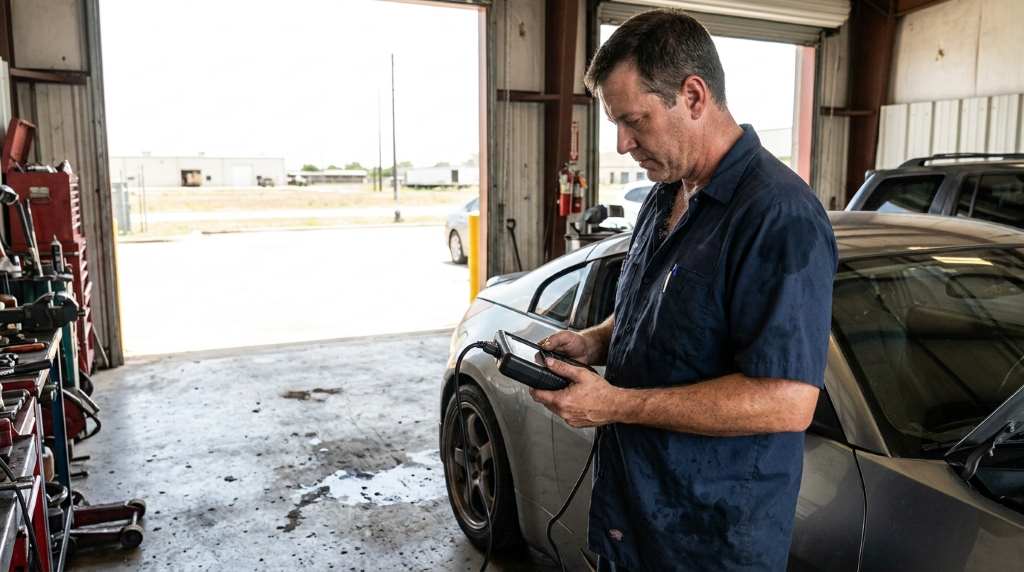
The first practical step involves scanning the engine control system and checking stored diagnostic trouble codes. Texas uses OBD II testing for eligible gasoline vehicles, making electronic diagnosis especially relevant in Houston.
Before replacing parts, ask a qualified technician to record every stored and pending code. Also, review live sensor data because a code often identifies a system rather than one failed component.
For example, a fuel mixture code does not automatically mean the fuel injector needs replacement. Instead, the technician should inspect intake leaks, fuel pressure, oxygen sensor readings, and airflow measurements.
Houston drivers can also benefit from understanding eco conscious auto loan programs when planning vehicle ownership costs. However, financing decisions should remain separate from engine diagnosis.
Ask for These Diagnostic Checks
- Stored diagnostic trouble codes
- Pending diagnostic trouble codes
- Fuel trim readings
- Oxygen sensor activity
- Mass airflow sensor readings
- Engine coolant temperature data
- Throttle position data
- Ignition timing information
- Fuel pressure measurements
- Battery and charging voltage
A good diagnostic process creates evidence before repairs begin. Consequently, it can reduce unnecessary parts replacement and help control repair costs.
Check Airflow, Fuel, and Ignition Systems
Once diagnostics identify a likely system, inspect the basic engine inputs. Every gasoline engine needs the correct balance of air, fuel, compression, and ignition timing to run properly.
Start with the air intake because leaks can disturb the expected air and fuel mixture. Inspect intake hoses, vacuum lines, clamps, filters, and connections for damage or loose fittings.
Next, examine the mass airflow sensor and throttle body when diagnostic data suggests an airflow problem. Dirt or sensor faults can affect engine response, idle quality, and fuel control.
Fuel delivery deserves equal attention because restricted flow can cause hesitation and weak acceleration. A technician can test fuel pressure and inspect injectors when the evidence points toward a fuel problem.
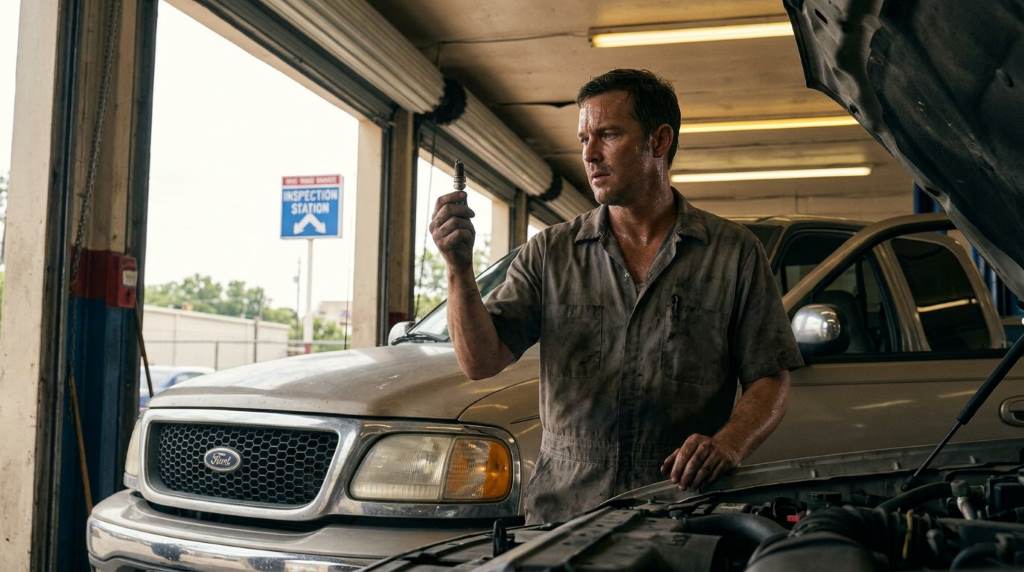
Ignition components also require careful testing, especially when the engine misfires. Inspect spark plugs, ignition coils, wiring, and related components according to the vehicle manufacturer’s service procedure.
Houston’s hot climate can make cooling system condition especially important during engine diagnosis. A useful overview of closed loop fluid dynamics can help explain why proper coolant circulation matters.
Use This Basic Diagnostic Order
- Scan the vehicle computer.
- Confirm the reported symptoms.
- Inspect intake and vacuum connections.
- Check fuel pressure and delivery.
- Test spark and ignition performance.
- Review sensor readings.
- Check compression when necessary.
- Repair the confirmed fault.
- Clear codes only after completing repairs.
- Perform a road test and rescan the system.
This order helps prevent guesswork because each stage builds on the previous findings. Furthermore, it gives the technician a clear record of what changed after the repair.
Inspect Sensors and Emissions Components
Modern engines rely on sensors to adjust fuel delivery and ignition decisions continuously. Therefore, a faulty sensor can create tuning symptoms even when the mechanical engine remains healthy.
Common components include oxygen sensors, airflow sensors, throttle position sensors, coolant temperature sensors, and manifold pressure sensors. A technician should compare sensor readings against expected values rather than replacing sensors based only on symptoms.
Houston drivers should also take emissions equipment seriously because Harris County belongs to Texas emissions testing areas. Eligible gasoline vehicles from two through 24 years old must complete an OBD II emissions test.
The test checks whether emissions related systems operate correctly and whether diagnostic faults remain stored. Texas DPS explains that OBD II can identify problems before drivers notice serious symptoms.
Therefore, fixing a tuning problem before an emissions test can prevent avoidable registration delays. Do not simply clear the check engine light because the vehicle may still show incomplete monitors or active faults.
Inspect These Emissions Related Areas
- Oxygen sensors: Check response and fuel control data.
- Evaporative system: Look for leaks and damaged connections.
- Exhaust system: Inspect for leaks before sensor readings.
- Positive crankcase ventilation: Check valves and hoses.
- Exhaust gas recirculation: Inspect when the vehicle uses this system.
- Catalytic converter: Test performance when evidence indicates restricted flow.
- Fuel cap: Confirm proper sealing and condition.
Addressing these systems can improve drivability while reducing emissions related problems. More importantly, proper diagnosis protects the engine from repeated misfires and incorrect fuel control.
Repair or Replace Faulty Engine Components
After diagnosis identifies the cause, repair the specific component responsible for the poor tuning. Avoid replacing several unrelated parts simply because they appear old.
For example, replace a damaged vacuum hose when testing confirms an intake leak. Similarly, replace a defective ignition coil only when testing connects that coil with the misfire.
Some repairs require quality replacement parts, while others may allow professional cleaning or adjustment. If you consider replacement components, learn the basics of buying used auto parts before purchasing anything.
However, used parts do not suit every engine component. Safety critical parts, sensors, ignition components, and emissions equipment may require careful compatibility checks before installation.
Parts That Commonly Affect Engine Tuning
- Spark plugs
- Ignition coils
- Air filters
- Fuel injectors
- Fuel pumps
- Mass airflow sensors
- Oxygen sensors
- Throttle bodies
- Vacuum hoses
- Engine control sensors
After installation, verify the repair rather than assuming the problem has disappeared. A proper technician should confirm the symptom, check live data, and perform a suitable road test.
Check the Cooling System Before Heavy Driving
Engine tuning problems sometimes appear alongside temperature related concerns. An engine that runs outside its expected temperature range can affect fuel control and drivability.
Check coolant level, hoses, thermostat operation, radiator condition, cooling fans, and temperature sensor readings. Never open a hot cooling system because pressurized coolant can cause serious burns.
Houston’s summer heat can place additional demand on cooling components during traffic and extended driving. Consequently, an overheating engine deserves attention before you focus only on tuning symptoms.
If the temperature gauge rises unusually high, stop driving when safe and investigate the cooling problem. Continuing to drive an overheating vehicle can turn a manageable repair into major engine damage.
Use Houston Driving Conditions to Guide Diagnosis
Houston driving can involve frequent traffic, extended idling, highway travel, and high ambient temperatures. These conditions can expose weaknesses that remain unnoticed during short local trips.
Stop and go traffic can also increase engine load and fuel consumption compared with steady highway driving. The Department of Energy notes that vehicles typically burn fuel while idling, making unnecessary idling wasteful.
Therefore, describe your normal driving pattern when visiting a repair shop. Tell the technician whether symptoms appear mainly during traffic, highway acceleration, cold starts, or long idle periods.
This information can help connect symptoms with operating conditions. It also prevents technicians from testing the vehicle under conditions that never reproduce the original problem.
Know When Professional Diagnosis Makes Sense
Simple maintenance tasks can help, but many tuning problems require professional diagnostic equipment. Modern engine management systems contain numerous sensors and control strategies that require accurate data interpretation.
Seek professional help when the check engine light flashes, the engine misfires repeatedly, or power drops suddenly. Likewise, arrange diagnosis when fuel consumption changes sharply without an obvious driving reason.
A flashing warning light can indicate a serious misfire that may damage emissions components. In that situation, reduce driving and obtain professional assistance as soon as practical.
Choose a repair facility that can provide scan data, test results, and a clear explanation of the recommended repair. A strong shop should explain why a component failed before asking you to approve replacement.
Prevent Poor Engine Tuning From Returning
Once the engine runs correctly, follow the manufacturer’s maintenance schedule instead of waiting for symptoms. Regular service helps identify worn filters, plugs, fluids, belts, and other components before they affect performance.
Keep accurate records of repairs and diagnostic codes. These records can help a technician identify recurring faults and avoid repeating tests that already produced useful results.
Use the correct engine oil, approved spark plugs, and compatible replacement parts. Additionally, avoid unapproved modifications that change airflow, fuel delivery, exhaust behavior, or engine control calibration.
Check the air filter and fluid levels at appropriate intervals. Also, pay attention to new noises, changes in idle quality, starting behavior, acceleration, and fuel consumption.
A Simple Maintenance Routine
- Follow the manufacturer’s service intervals.
- Inspect fluids regularly.
- Replace filters according to service requirements.
- Monitor dashboard warning lights.
- Address misfires quickly.
- Keep intake connections secure.
- Use compatible replacement components.
- Record major repairs and diagnostic results.
This approach costs less effort than repeatedly troubleshooting the same symptoms. More importantly, it helps maintain consistent engine performance throughout the vehicle’s service life.
Final Steps Before Returning to Daily Driving
After completing repairs, clear diagnostic codes only when the repair process requires it. Then allow the vehicle’s monitoring systems to complete their checks through appropriate driving conditions.
Next, confirm stable idle, smooth acceleration, normal temperature, and consistent engine response. Check again for warning lights after the road test.
If your vehicle needs a Texas emissions inspection, make sure the relevant monitors and emissions systems meet the required conditions. Harris County remains among the Texas counties requiring emissions testing for qualifying vehicles.
Finally, keep the repair invoice and diagnostic results for future reference. These documents can prove valuable if the same symptom returns or another technician needs the vehicle’s repair history.
Conclusion
Fixing poor engine tuning in Houston starts with accurate diagnosis, not random parts replacement. Check the engine computer, airflow, fuel delivery, ignition system, sensors, emissions equipment, and cooling system in a logical order.
Because Houston drivers face specific emissions requirements, timely repairs can also help prevent inspection problems. If your engine shows persistent hesitation, misfires, rough idling, or poor fuel economy, schedule a professional diagnostic service promptly.
A qualified technician can identify the underlying fault, confirm the repair, and restore proper engine performance. Taking action early can also reduce fuel waste and help prevent more expensive secondary damage.
Frequently Asked Questions
What causes poor engine tuning?
Common causes include faulty spark plugs, vacuum leaks, sensor problems, fuel delivery faults, ignition issues, and incorrect air and fuel control.
Can poor engine tuning reduce fuel economy?
Yes, incorrect combustion, sensor readings, ignition performance, or fuel delivery can cause the engine to consume more fuel.
Can a diagnostic scanner fix engine tuning?
No, a scanner identifies stored information and system faults, while proper testing determines the repair.
Does Houston require emissions testing?
Yes, Harris County requires emissions testing for eligible gasoline vehicles within the applicable model year range.
Should I drive with a flashing check engine light?
No, a flashing warning light can indicate a serious misfire, so seek professional diagnosis promptly.