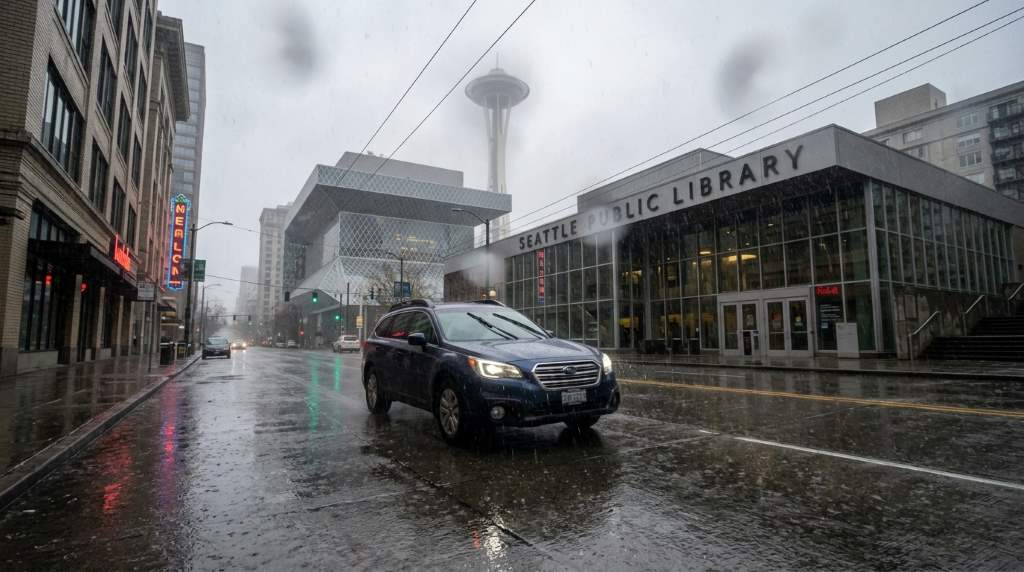
Modern vehicles rely on cameras, radar, and sensors that perform well under most driving conditions. However, heavy rain can reduce their accuracy and trigger temporary warnings. According to the Federal Highway Administration, wet pavement contributes to thousands of crashes every year. Additionally, advanced driver assistance systems depend on clear sensor visibility for reliable operation. Drivers often notice messages like lane assist system unavailable during intense rainfall because safety software limits certain features when sensor confidence drops.
How Heavy Rain Affects Modern Vehicle Technology
Rain creates water droplets that block cameras and scatter radar signals before they reach surrounding vehicles. Consequently, onboard computers receive incomplete information and reduce automated assistance. Understanding burning smell from car problems also reminds drivers that weather can expose other mechanical issues during stressful driving conditions.
Manufacturers design these systems to prioritize safety instead of convenience during uncertain situations. Therefore, temporary feature shutdowns often prevent incorrect steering, braking, or warning decisions. This protective behavior reduces unnecessary risks while visibility remains poor.
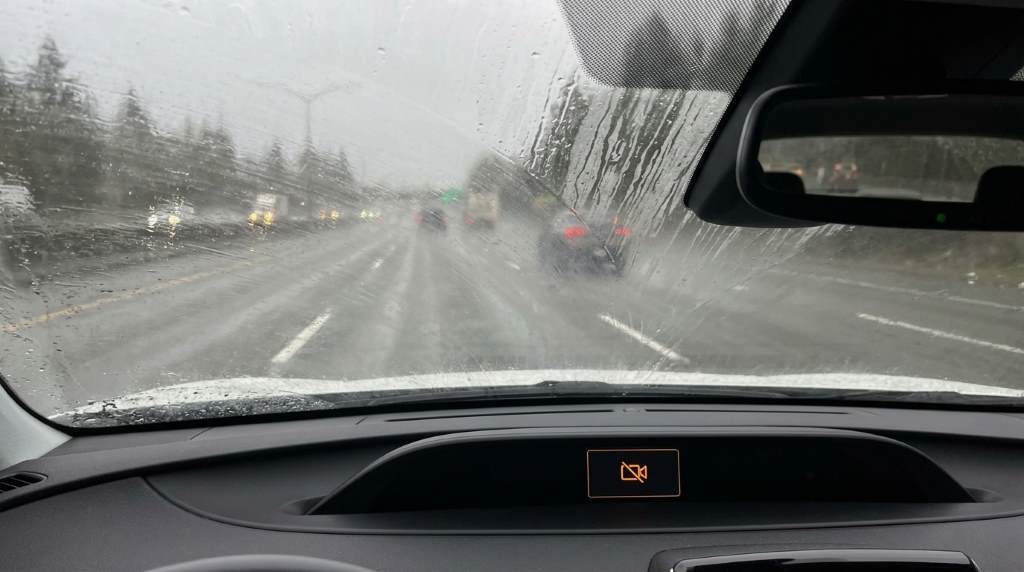
Camera Based Systems Face Visibility Challenges
Front facing cameras depend on clear lane markings and visible roadside objects. Rainwater, road spray, and fog quickly reduce image quality during longer trips. As a result, lane centering and traffic sign recognition may stop working.
Radar Sensors Can Experience Signal Distortion
Radar performs better than cameras in bad weather, yet heavy rainfall still weakens signal quality. Water droplets create interference that limits accurate object detection. Consequently, adaptive cruise control sometimes becomes unavailable.
Common Car Tech Features That Stop Working
Many drivers become concerned after dashboard alerts suddenly appear during rainy weather. Fortunately, most warnings disappear after sensors regain clear visibility. Reading about loose steering feel also helps distinguish mechanical steering problems from electronic assistance limitations.
The following technologies commonly pause during heavy rainfall.
- Lane keeping assistance
- Adaptive cruise control
- Forward collision warning
- Automatic emergency braking
- Traffic sign recognition
- Driver monitoring alerts
- Parking assistance cameras
- Blind spot monitoring in severe conditions
These temporary interruptions usually disappear once rain intensity decreases and sensors become unobstructed. Nevertheless, persistent warnings deserve professional inspection because hardware damage remains possible.
Why Seattle Rain Creates Unique Driving Conditions
Seattle experiences frequent rainfall throughout much of the year, creating consistently wet roads and changing visibility. Moisture combines with road spray to reduce sensor performance during busy traffic. Drivers can also learn to spot exhaust issues because wet weather sometimes highlights unrelated vehicle concerns.
Road markings also fade faster in high moisture environments, making lane detection more difficult. Furthermore, reflective pavement surfaces confuse some camera systems during darker afternoons. Those combined factors increase temporary technology restrictions.
Urban Traffic Adds More Complexity
Dense traffic creates continuous tire spray that covers sensors within minutes. Large trucks throw even more water across nearby lanes during storms. Consequently, camera lenses require frequent cleaning for reliable performance.
Changing Light Conditions Matter
Cloud cover reduces available daylight even before evening arrives. Wet roads also reflect headlights and streetlights into vehicle cameras. Therefore, image processing software faces additional challenges during rainy commutes.
Signs Your Vehicle Is Protecting You Instead of Failing
Many dashboard messages indicate normal protective behavior rather than equipment failure. Vehicle software constantly measures confidence before activating automated assistance features. Accordingly, systems disable themselves whenever collected data becomes unreliable.
Watch for these common indicators before assuming expensive repairs are necessary.
- Warning disappears after rain ends
- Features return after windshield cleaning
- No unusual steering behavior exists
- Brakes operate normally during manual driving
- Dashboard shows weather related sensor messages
If warnings remain after clear weather returns, schedule a diagnostic inspection promptly. Qualified technicians can verify sensor alignment, wiring integrity, and software calibration using manufacturer equipment.
Practical Ways to Reduce Rain Related Tech Problems
Simple maintenance habits improve sensor performance throughout wet seasons. Clean equipment produces better data for safety systems under difficult conditions. Therefore, preventive care supports reliable vehicle operation every day.
- Wash camera lenses regularly
- Keep radar covers free from dirt
- Replace worn windshield wipers promptly
- Use quality windshield washer fluid
- Maintain recommended tire tread depth
- Inspect windshield for cracks near cameras
- Follow manufacturer maintenance schedules
Safe driving habits remain equally important because technology only assists attentive drivers. Always maintain extra following distance during heavy rain and reduce speed when visibility decreases. These actions provide additional reaction time if automated systems temporarily disengage.
When Professional Service Becomes Necessary
Repeated warning messages during light rain often indicate a developing hardware issue. Damaged sensors, misaligned cameras, or outdated software may require professional attention. Early diagnosis usually prevents more expensive repairs later.
Request a complete diagnostic scan instead of replacing parts without confirmation. Skilled technicians compare live sensor data against factory specifications before recommending repairs. This approach saves money while restoring accurate system performance.
Final Thoughts
Modern driver assistance technology improves safety, yet it depends on accurate environmental information before taking action. Heavy Seattle rain naturally limits sensor performance, making temporary feature shutdowns both expected and beneficial. Understanding these warnings helps drivers respond calmly instead of assuming immediate failure.
Maintain your vehicle consistently, keep sensors clean, and schedule inspections whenever warnings remain after clear weather returns. Those simple steps improve reliability while protecting you during every rainy drive.
Frequently Asked Questions
Why does lane assist stop working during heavy rain?
Heavy rain blocks camera visibility, so the system temporarily disables itself for safety.
Can radar sensors work better than cameras in rain?
Yes, although intense rainfall can still reduce radar accuracy and reliability.
Should I continue driving if driver assistance features disable?
Yes, provided the vehicle operates normally and you drive carefully using manual control.
How do I know whether a warning indicates a real problem?
If the warning remains after dry weather, schedule a professional diagnostic inspection.
Does cleaning sensors improve system performance?
Yes, clean cameras and radar covers often restore accurate detection in many situations.