
Vehicle exhaust problems often develop slowly, yet they can create expensive repairs when drivers ignore early warning signs. According to transportation studies, exhaust system defects contribute to thousands of roadside breakdowns each year. In Houston, heat, humidity, and heavy traffic can speed up exhaust wear. Therefore, understanding early warning signs helps drivers act sooner. Many vehicle owners also research catalytic converter failure symptoms when unusual exhaust behavior appears.
Houston drivers face unique road conditions that affect exhaust systems differently. Long commutes, stop and go traffic, and sudden weather changes increase component stress. As a result, minor exhaust concerns can quickly become larger mechanical problems. This guide explains how drivers can identify issues early and avoid unnecessary repair costs.
Why Exhaust System Problems Matter
The exhaust system removes harmful gases from the engine safely. It also helps maintain fuel efficiency and engine performance. However, damaged components can reduce vehicle reliability over time. Therefore, recognizing problems early protects both the vehicle and the driver’s budget.
Modern exhaust systems contain several connected parts. These components work together to control emissions and direct gases away from passengers. When one section fails, other parts often experience additional strain. Consequently, repair costs can increase rapidly if drivers delay inspections.
Common Causes Of Exhaust Issues In Houston
Houston’s climate creates conditions that affect vehicle components year round. High humidity encourages corrosion on metal parts underneath vehicles. Additionally, heavy rainfall can expose exhaust systems to moisture repeatedly. Over time, this exposure weakens pipes and connectors.
Traffic congestion also contributes to exhaust wear. Engines spend more time idling during daily commutes. Therefore, temperatures remain elevated for longer periods. Drivers who frequently encounter overheating concerns often review guides about heater core flow blockage because cooling issues can influence overall vehicle performance.
Another overlooked factor involves short trips. Many drivers use their vehicles for quick errands throughout the city. As a result, moisture inside the exhaust system may not evaporate completely. This trapped moisture gradually accelerates internal corrosion.
Listen For Unusual Exhaust Noises
One of the earliest warning signs comes from sound changes. Exhaust leaks often create hissing, rumbling, or tapping noises. Furthermore, these sounds usually become louder during acceleration. Drivers should never ignore sudden changes in vehicle noise.
A damaged muffler can produce excessive engine sound. Small holes may create a deeper tone than usual. Meanwhile, larger leaks often cause noticeable vibration and noise. Early inspection can prevent more extensive repairs later.
Sounds That Require Immediate Attention
- Loud roaring during acceleration
- Persistent rattling beneath the vehicle
- Sharp hissing near the engine
- Metal clanking from underneath
- Sudden increases in exhaust volume
Pay Attention To Strange Smells
Exhaust problems often produce unusual odors before visible symptoms appear. Drivers may notice gasoline, sulfur, or burning smells inside the cabin. Therefore, identifying these odors quickly can help prevent safety concerns. Any exhaust odor inside the vehicle deserves immediate investigation.
A sulfur smell sometimes resembles rotten eggs. This odor may indicate catalytic converter problems or fuel system concerns. Likewise, a burning smell can suggest overheating components. Many drivers explore information about burning smell from car situations because these signs often appear together.
Watch For Reduced Fuel Efficiency
Fuel economy often declines when exhaust components malfunction. A leak or restriction can force the engine to work harder. Consequently, drivers may spend more money at fuel stations. Monitoring fuel usage helps identify developing issues.
Many vehicle owners blame fuel prices for increased costs. However, declining mileage sometimes signals mechanical problems. Therefore, keeping simple fuel records can reveal patterns early. Consistent tracking makes it easier to notice unusual changes.
Monitor Dashboard Warning Lights
Modern vehicles contain sensors throughout the exhaust system. These sensors communicate with the vehicle’s onboard computer constantly. When readings fall outside normal ranges, warning lights often appear. Drivers should respond quickly rather than postponing diagnostics.
The check engine light frequently indicates exhaust related concerns. Oxygen sensor issues, leaks, and converter problems can trigger alerts. Although the vehicle may still operate normally, hidden damage could continue developing. Early diagnosis usually reduces repair expenses significantly.
Look For Visible Smoke Changes
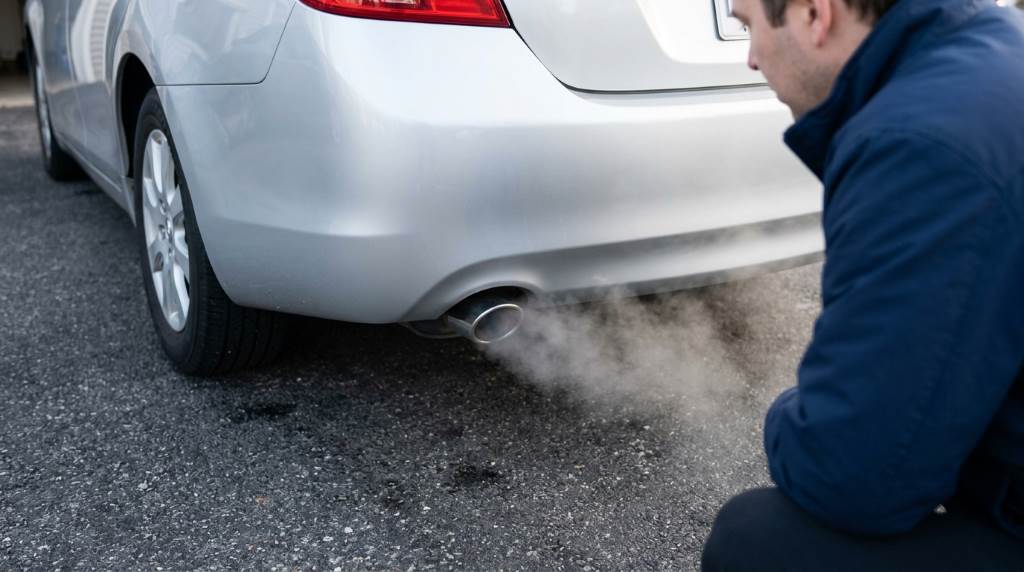
Exhaust smoke provides valuable information about engine health. Most modern vehicles produce very little visible exhaust under normal conditions. Therefore, sudden smoke changes deserve attention. Different colors often point to different problems.
Blue smoke may indicate oil consumption issues. White smoke can suggest coolant entering the combustion process. Meanwhile, black smoke often reflects excess fuel usage. Identifying smoke color helps technicians locate the underlying cause faster.
Smoke Color Guide
- Blue smoke often signals burning oil
- White smoke may indicate coolant leaks
- Black smoke suggests excess fuel
- Gray smoke can indicate multiple issues
Check For Excessive Vehicle Vibrations
Exhaust components connect directly to the vehicle structure through mounting hardware. When these mounts weaken, vibrations can increase noticeably. Drivers often feel shaking through seats or floorboards. Therefore, unusual vibration patterns deserve inspection.
Loose exhaust parts may move during acceleration or braking. As a result, drivers sometimes hear rattling noises simultaneously. Addressing mounting problems early prevents additional damage. Small repairs often cost far less than complete replacements.
An Overlooked Sign Most Blogs Miss
Many articles discuss noises and smells but ignore condensation patterns. Drivers can learn valuable information by observing water near the tailpipe. Small amounts often appear normally after startup. However, unusual moisture patterns may indicate developing problems.
For example, excessive condensation after long drives may reveal internal exhaust restrictions. Similarly, uneven moisture discharge can indicate airflow irregularities. While this method does not replace professional diagnostics, it provides another useful clue. Experienced technicians sometimes use these observations during inspections.
Notice Changes During Long Houston Commutes
Houston drivers often spend considerable time in traffic. Therefore, they become familiar with normal vehicle behavior over long distances. Any change in performance becomes easier to detect during regular commutes. Paying attention helps identify issues sooner.
Steering feel can also change when broader mechanical problems develop. Drivers researching loose steering feel after long drives sometimes discover related maintenance concerns affecting overall vehicle operation. Consistent vehicle monitoring provides a more complete picture of health.
Simple Inspection Habits That Save Money
Drivers do not need advanced mechanical skills to spot warning signs. Regular observation often reveals developing problems before major failures occur. Consequently, routine checks can save substantial repair expenses. Consistency matters more than technical expertise.
- Listen for new noises weekly
- Monitor fuel economy monthly
- Inspect under the vehicle regularly
- Check for warning lights immediately
- Notice unusual smells promptly
These simple habits require only a few minutes. Yet they can provide valuable information about vehicle condition. Moreover, they help drivers communicate more effectively with repair professionals. Better information often leads to faster diagnostics.
When To Seek Professional Help
Some symptoms require immediate attention regardless of severity. Exhaust fumes inside the cabin create potential health risks. Likewise, loud leaks can worsen quickly under normal driving conditions. Drivers should arrange inspections as soon as possible.
Professional technicians use specialized equipment to locate hidden leaks. They can also test sensors and emission components accurately. Therefore, expert diagnostics eliminate guesswork. Early repairs generally cost less than extensive component replacements.
Conclusion
Exhaust problems rarely appear without warning. Instead, vehicles often provide several clues before major failures develop. By monitoring sounds, smells, fuel economy, smoke, and vibrations, Houston drivers can identify issues sooner. As a result, they can reduce repair costs and improve vehicle reliability.
If your vehicle shows any of these warning signs, schedule a professional inspection promptly. Early action protects your investment and helps prevent expensive repairs. Consistent monitoring remains one of the most effective ways to keep your vehicle performing safely and efficiently.
FAQs
What is the most common early exhaust warning sign?
Unusual noises such as hissing, rattling, or roaring often appear first.
Can exhaust issues reduce fuel economy?
Yes, leaks and restrictions can force the engine to consume more fuel.
Is it safe to drive with an exhaust leak?
No, exhaust leaks can expose occupants to harmful gases.
Why does my car smell like sulfur?
A sulfur odor may indicate catalytic converter or fuel system problems.
How often should I inspect my exhaust system?
A quick visual and sound check every month helps identify problems early.