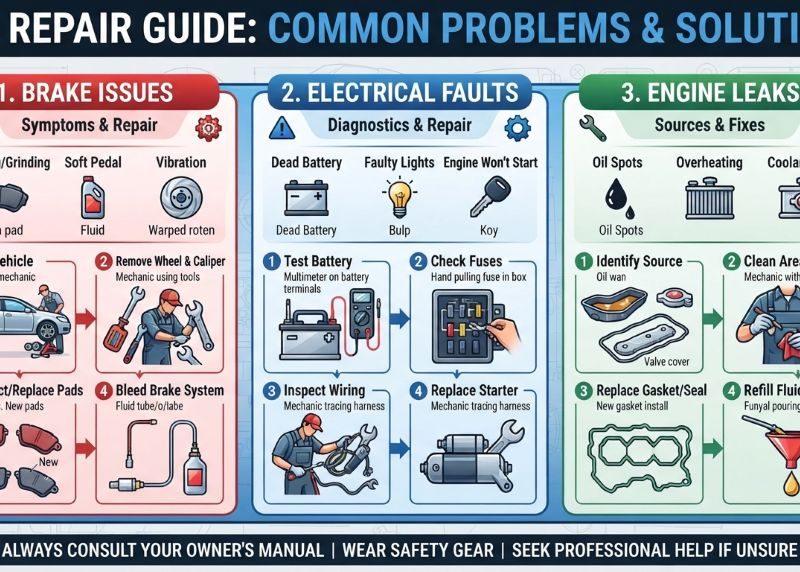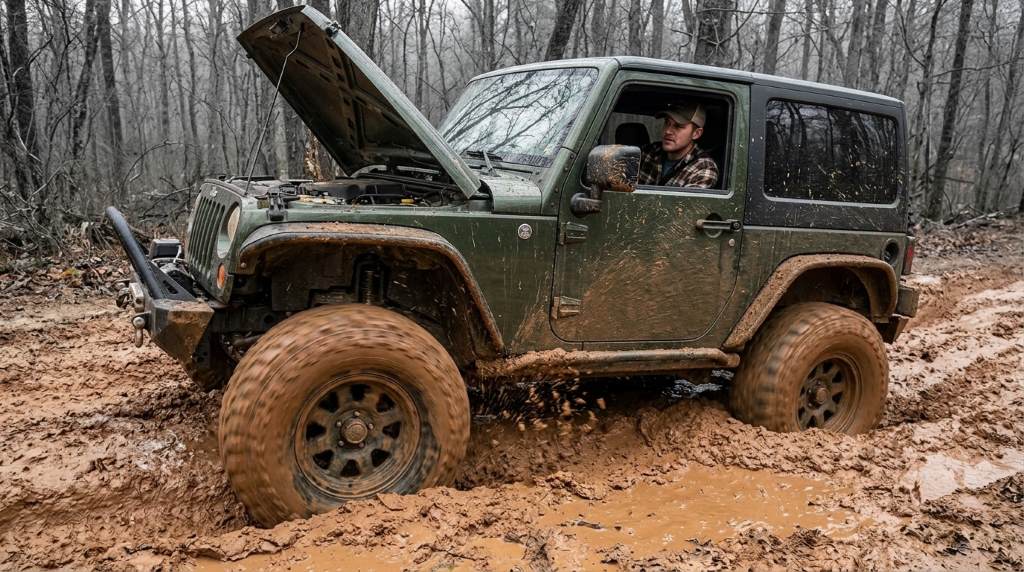
Phoenix trails challenge every off road vehicle with intense heat, dust, and steep terrain. Many owners notice sudden power loss during demanding rides without understanding the real cause. Industry maintenance reports suggest that overheating and contaminated fuel systems contribute to over 60% of recreational engine performance complaints. Likewise, regular small engine fuel troubleshooting helps prevent many avoidable failures before expensive repairs become necessary.
Learning why engines lose power allows drivers to solve problems before trail adventures become frustrating. This guide explains practical inspections, maintenance habits, and proven repair strategies that restore dependable performance. Every recommendation focuses on real driving conditions around Phoenix while helping protect valuable off road equipment throughout every season.
Understanding Why Off Road Vehicles Lose Power in Phoenix
Phoenix creates unique operating conditions because desert temperatures increase engine stress during every off road trip. Fine dust enters vulnerable components while steep climbs demand maximum engine output continuously. Regular inspections also reduce suspension related problems because loose steering feel often increases overall vehicle strain during demanding trail conditions.
Power loss rarely comes from one failed component alone. Instead, several smaller issues combine until noticeable performance problems develop under heavy engine loads. Early diagnosis saves money because minor faults rarely become expensive when repaired quickly.
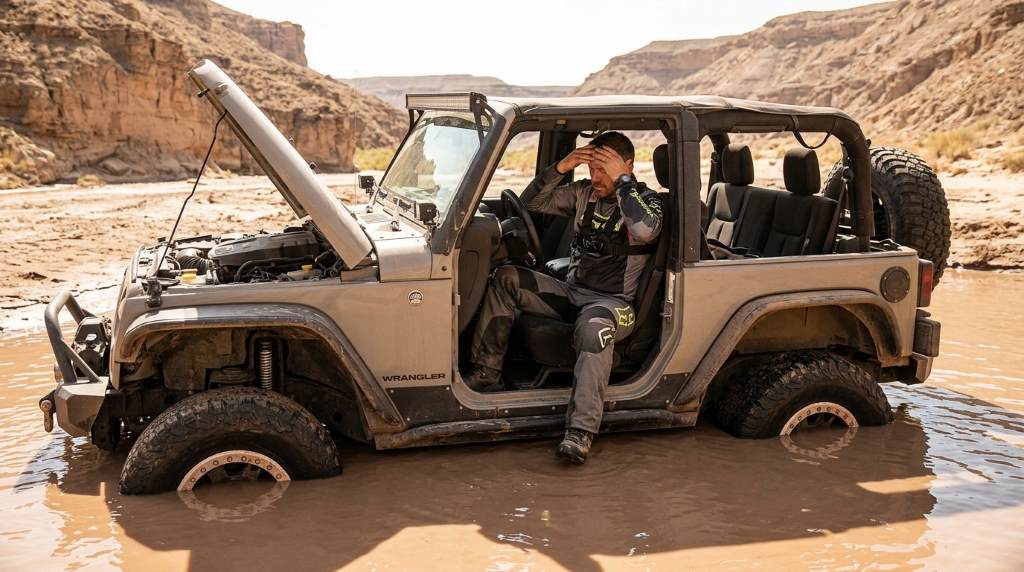
Common Warning Signs
- Slow acceleration while climbing hills
- Engine hesitation after pressing the throttle
- Reduced top speed during trail riding
- Frequent overheating warnings
- Unusual exhaust smoke
- Higher than normal fuel consumption
Fuel System Problems That Reduce Engine Performance
Fuel delivery problems remain one of the leading reasons engines lose power across demanding desert environments. Dust particles gradually restrict filters while contaminated gasoline reduces combustion efficiency significantly. Drivers should also understand how to spot exhaust issues because airflow restrictions frequently accompany declining fuel performance.
Clogged injectors create uneven fuel distribution across engine cylinders. Consequently, engines produce less power while consuming more fuel during long off road trips. Fresh fuel and quality cleaning additives improve injector performance before permanent damage develops.
Fuel System Inspection Checklist
- Replace dirty fuel filters regularly
- Inspect fuel lines for leaks
- Check injector spray consistency
- Drain contaminated fuel immediately
- Clean the fuel tank periodically
Airflow Restrictions That Rob Horsepower
Engines require balanced airflow to maintain strong combustion during heavy acceleration. Desert dust quickly clogs intake systems without frequent cleaning. Owners also benefit from understanding power steering specialists because complete vehicle inspections often identify additional mechanical issues affecting overall trail performance.
Dirty air filters force engines to work harder while producing less usable power. Consequently, throttle response becomes sluggish and fuel economy declines noticeably. Replacing inexpensive filters often restores impressive engine responsiveness immediately.
Air Intake Maintenance Tips
- Inspect filters after every dusty ride
- Seal intake connections properly
- Remove accumulated dirt carefully
- Replace damaged intake hoses quickly
- Store spare filters during extended trips
Cooling System Failures During Desert Adventures
Extreme heat challenges every cooling component throughout long trail excursions. Radiators, coolant hoses, and cooling fans require consistent inspections before every adventure. Proper coolant circulation protects engines from dangerous temperature spikes under heavy workloads.
Low coolant levels reduce heat transfer efficiency dramatically. Furthermore, clogged radiator fins prevent airflow across cooling surfaces. Simple cleaning routines often prevent overheating before permanent engine damage occurs.
Cooling System Essentials
- Check coolant before every ride
- Inspect radiator for debris
- Test cooling fan operation
- Replace cracked coolant hoses
- Monitor engine temperature frequently
Ignition Problems That Reduce Trail Performance
Strong ignition systems create reliable combustion across changing trail conditions. Worn spark plugs reduce combustion efficiency while increasing fuel consumption steadily. Ignition coils also weaken over time after repeated exposure to extreme temperatures.
Misfires frequently appear before complete ignition failure develops. Therefore, replacing worn ignition components early prevents difficult starting and frustrating power loss later. Scheduled maintenance always costs less than emergency trail repairs.
Exhaust Restrictions That Limit Engine Output
Healthy exhaust flow allows engines to release combustion gases efficiently. Blocked catalytic components or damaged exhaust piping create excessive back pressure. Reduced airflow limits horsepower while increasing operating temperatures significantly.
Drivers sometimes overlook minor exhaust leaks because they seem harmless initially. However, restricted exhaust systems gradually reduce acceleration and throttle response. Routine inspections identify developing problems before performance suffers severely.
Transmission and Drivetrain Factors
Power loss sometimes begins beyond the engine itself. Slipping transmissions, worn differentials, and damaged drive shafts reduce effective power reaching the wheels. Careful drivetrain inspections improve climbing performance across challenging terrain.
Unusual vibrations often indicate developing drivetrain wear. Prompt servicing prevents additional damage while maintaining dependable off road capability. Professional inspections help confirm hidden mechanical problems accurately.
Preventive Maintenance That Keeps Power Strong
Consistent maintenance delivers better long term performance than reactive repairs alone. Regular inspections identify developing issues before noticeable power loss occurs. Owners also gain confidence while exploring demanding trails throughout the year.
Create a maintenance schedule based on riding frequency instead of waiting for warning signs. Organized service records simplify future diagnostics while protecting vehicle resale value. Preventive care always supports safer and more enjoyable adventures.
Recommended Maintenance Routine
- Inspect fluids before every trip
- Replace filters on schedule
- Clean cooling components regularly
- Examine electrical connections monthly
- Lubricate moving parts properly
- Test battery condition frequently
When Professional Diagnostics Become Necessary
Some performance problems require advanced diagnostic equipment beyond normal garage tools. Experienced technicians identify electronic faults, compression issues, and hidden sensor failures accurately. Professional testing eliminates unnecessary parts replacement while reducing repair costs.
Do not ignore repeated warning lights or severe power reduction. Early professional inspections often prevent complete engine failures during demanding off road adventures. Accurate diagnosis remains the fastest path toward reliable long term performance.
Conclusion
Phoenix off road conditions demand careful attention because heat, dust, and rugged terrain challenge every mechanical system continuously. Regular inspections, quality maintenance, and timely repairs keep engines delivering dependable power across every adventure. Start inspecting your vehicle today, address minor issues immediately, and enjoy stronger performance with greater confidence on every trail.
FAQs
Why does my off road vehicle lose power during hot weather?
High temperatures increase engine stress while reducing cooling efficiency and combustion performance.
How often should I replace my air filter?
Inspect it after every dusty ride and replace it whenever airflow becomes restricted.
Can poor fuel quality reduce engine power?
Yes, contaminated or old fuel reduces combustion efficiency and overall engine performance.
Should I continue driving with noticeable power loss?
No, continued operation may worsen mechanical damage and increase repair expenses.
What maintenance prevents future power loss?
Routine inspections, timely fluid changes, clean filters, and cooling system maintenance prevent most common issues.