Key Takeaways
- New cars lose about 20 percent of their value in the first year alone.
- The average car has lost roughly 38 to 50 percent of its value by year five.
- Vehicle depreciation is the largest cost of ownership, ahead of fuel and insurance.
- Trucks, sports cars, and small SUVs hold value best; EVs and luxury sedans fall fastest.
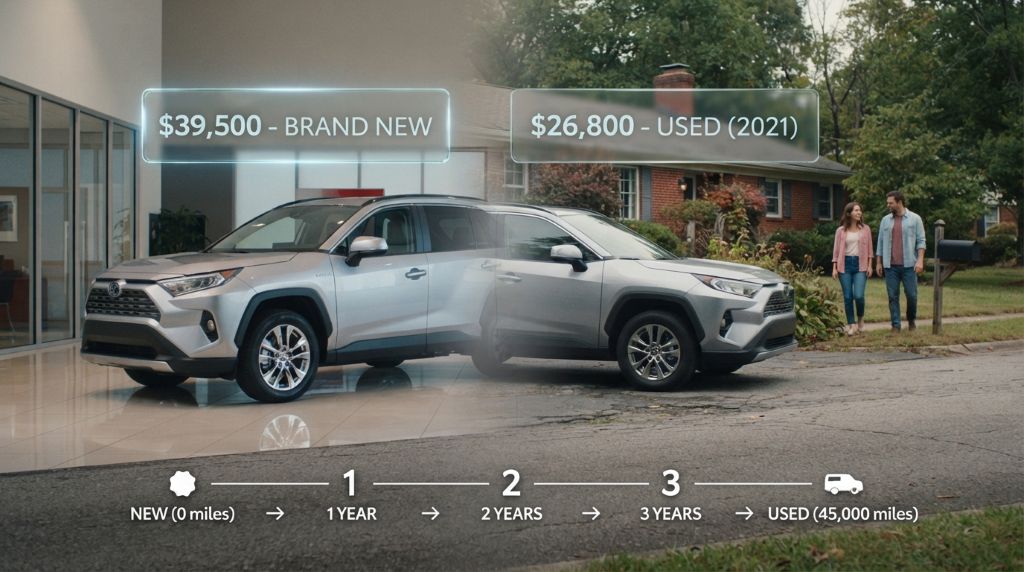
- Buying a three-year-old car and keeping it ten years beats depreciation at its own game.
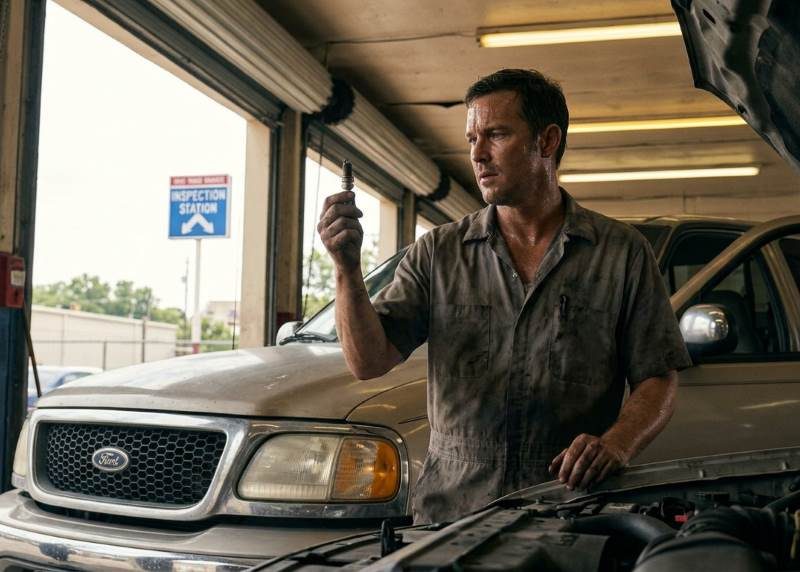
My father still talks about the day he sold his German luxury sedan. He paid $52,000 for it new, babied it for five years, and kept every service record. The dealer offered him $17,000. He came home quiet, which in my family means deeply annoyed. That same month, his neighbor sold a ten-year-old Toyota pickup for nearly half its original price.
Two driveways, two completely different financial stories. The sedan lost $35,000. The truck barely noticed the calendar. Therefore, I grew up understanding that a car’s price tag and its true cost are very different things.
This guide explains vehicle depreciation in plain language. You will learn how much value cars lose each year, which models resist the drop, and which factors speed it up. Additionally, you will learn simple habits that protect your car’s value from day one.
What Is Vehicle Depreciation?
Vehicle depreciation is the difference between what you paid and what the car is worth later. It begins the moment you sign the paperwork, and it never stops. Some people call it the invisible cost, because you never write a check for it. However, it quietly drains more money than any other ownership expense.
Here is why it matters so much. According to AAA’s Your Driving Costs study, depreciation makes up about 40 percent of the total cost of owning a new car. That is larger than fuel, insurance, maintenance, and tires combined. Therefore, buyers who ignore depreciation misunderstand the whole deal.
Think of it this way. A $40,000 new car does not cost $40,000. It costs $40,000 minus whatever it is worth when you sell it. If you sell it for $16,000 five years later, your real cost was $24,000. Meanwhile, the neighbor who bought the same car used at year three skipped the most painful stretch of that drop.
Depreciation is not a flaw in your car. It is simply math applied to every vehicle on the road. However, the math varies wildly between models, and that difference is where smart buyers save thousands.
How Much Value Does a Car Lose Each Year?
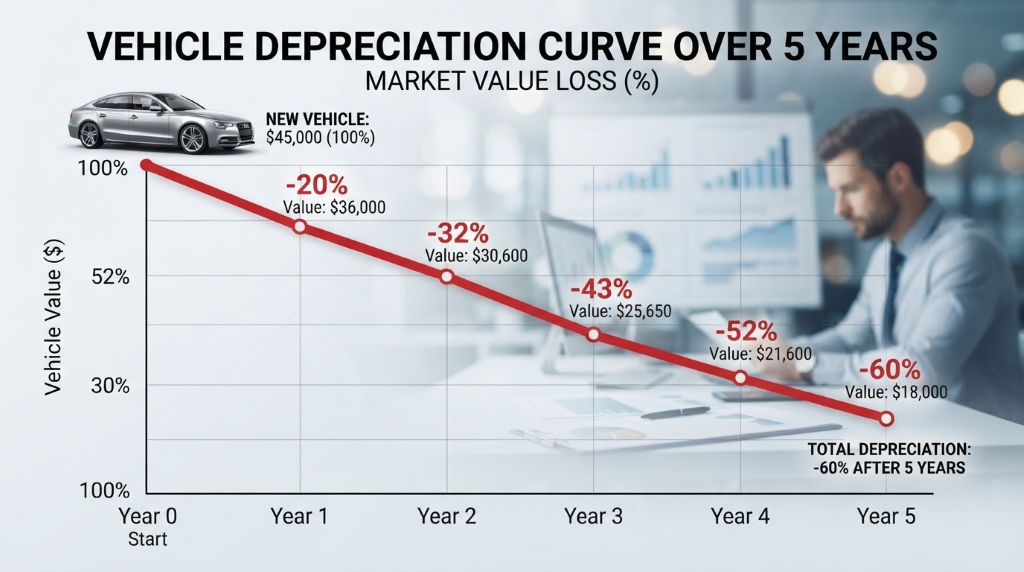
The drop follows a predictable curve. The steepest decline happens immediately, and the pace slows every year afterward. Here is the typical pattern for an average car:
- Year 1: about 20 percent lost
- Year 2: about 30 percent lost in total
- Year 3: about 40 percent lost in total
- Year 5: about 50 to 60 percent lost in total
- Year 8 and beyond: the curve flattens dramatically
Recent market data confirms the pattern. According to an iSeeCars five-year depreciation study, the average car lost about 38.8 percent of its value after five years. However, that average hides huge differences. Some models lost under 25 percent, while others lost more than 60.
The first year deserves special attention. A new car can lose thousands of dollars during the drive home from the dealership. The reason is simple. Once sold, the car becomes used, and buyers refuse to pay new prices for used metal. Therefore, the first owner funds the largest single loss of the entire ownership cycle.
After year five, the story changes. Depreciation slows to a crawl, because the car’s value has already fallen far enough to attract budget buyers. Consequently, a ten-year-old car that runs well can hold its remaining value for years. This flattening curve is exactly why long-term owners spend less per year.
Which Cars Depreciate Fastest and Slowest?
Model choice decides most of your depreciation before you ever drive. The differences between vehicles are enormous. Here is how the categories generally rank:
- Slowest to depreciate: pickup trucks, Porsche sports cars, Toyota and Honda models
- Middle of the pack: mainstream sedans and compact SUVs
- Fastest to depreciate: luxury sedans, large luxury SUVs, and electric vehicles
The iSeeCars study found the Jeep Wrangler, Porsche 911, and Toyota Tacoma among the slowest to lose value. Some of these vehicles kept nearly 70 percent of their value after five years. Meanwhile, certain electric vehicles lost more than half their value in the same period, because battery technology improves so quickly.
Luxury sedans fall hardest for two reasons. First, their original prices are steep, so there is more room to fall. Second, their expensive repairs scare off used-car buyers, which crushes demand. A seven-year-old flagship sedan is a bargain, however, only for buyers willing to risk the maintenance bills.
EVs face their own pressure. Battery range improves every model year, therefore last year’s range looks small very quickly. Additionally, federal tax credits on new EVs drag down used values. Consequently, EV buyers can find wonderful used deals, but new EV buyers absorb historic losses.
My father’s sedan followed this script perfectly. His friend’s Tacoma followed the other script. Neither driver differed in care or mileage. The nameplates decided the outcome before the keys were ever handed over.
What Causes a Car to Lose Value Faster?
Some depreciation is automatic, however, many factors are within your control. Understand these forces, and you can protect thousands of dollars:
- High mileage, which shrinks value faster than age alone
- Poor condition, including dents, stains, and worn interiors
- Missing service records, which create doubt about care
- Modifications, such as loud exhausts or oversized wheels
- Unattractive colors, which narrow your future buyer pool
- Bad timing, such as selling right before a full redesign
- Open recalls or accident history, which scare careful buyers
Mileage deserves the closest look. The market prices cars by age and mileage together, and a 150,000-mile car sells far below a 60,000-mile twin. Therefore, drivers who stack highway miles should favor slow-depreciating models, because the penalty shrinks when the model holds demand.
Modifications are the classic rookie mistake. A $3,000 wheel and stereo package often subtracts value instead of adding it. Buyers want factory condition, because modifications suggest hard driving. Additionally, they wonder what else was changed. Therefore, keep the car stock, or keep the original parts in the garage for the sale.
Records change outcomes too. My father’s sedan still brought a fair price despite its model, purely because his folder of receipts proved careful ownership. Documentation converts doubt into trust, and trust converts into dollars.
How to Protect Your Car’s Value
You cannot stop depreciation, however, you can slow it. These habits consistently protect resale value:
- Wash and wax regularly to protect paint from sun and rust
- Park in shade or garages whenever possible
- Keep the interior clean, and fix small tears early
- Follow the manufacturer’s maintenance schedule exactly
- Save every service receipt in one organized folder
- Choose neutral colors when you buy
- Avoid smoking in the car, because the smell is permanent
- Keep mileage reasonable, and mention highway use when selling
Small repairs deserve priority as well. A $150 windshield chip repair protects against a $500 replacement deduction at sale. Similarly, fixing a cracked bumper cover costs less than the value it preserves. Therefore, treat every small flaw as a small investment decision.
Timing matters more than most sellers realize. Sell before a major redesign arrives, because the new model steals attention and price. Additionally, seasonal markets exist. Convertibles sell strongest in spring, while four-wheel-drive trucks peak before winter. Therefore, plan your sale around your vehicle’s season.
Finally, photograph everything before listing. Clean, bright photos of a spotless car attract competitive offers. Sellers who invest one weekend in presentation routinely recover hundreds of dollars.
How to Use Depreciation When You Buy
Understanding depreciation turns you from a victim into a strategist. The core rule is simple. Let someone else pay the steepest loss, then keep the car long enough to enjoy the flat years.
Here is the playbook that works:
- Buy a three-year-old vehicle, after the sharpest drop has passed
- Choose models with proven slow depreciation in the first place
- Keep the car for at least eight to ten years
- Avoid long loans that stretch into the flattening curve
- Consider slow-depreciating EVs and luxury cars used, never new
This strategy explains my own last purchase. I bought a three-year-old sedan that someone else had absorbed the early losses on. Then I drove it for a decade, spending little per year as the value curve flattened. The total cost came in far below the new-price alternative.
The math works in reverse too. Never buy a new car you plan to sell within three years. That short window sits entirely inside the steepest depreciation zone, and leasing usually beats that arrangement. Therefore, match your purchase strategy to your holding plan, and the losses stay manageable.
Final Thoughts
Vehicle depreciation is the biggest cost in car ownership, and it punishes unprepared buyers the most. New cars lose roughly 20 percent in year one and about half by year five. However, model choice, condition, records, and timing can move the outcome by thousands of dollars. For buyers looking beyond conventional vehicles, exploring options such as Affordable Thrills: Exploring the World of Cheap Exotic Cars can also provide useful perspective on how purchase price and depreciation affect the overall cost of ownership.
My father’s $35,000 lesson still shapes how my family buys cars. The lesson was never avoid nice cars. It was never pay the depreciation tax yourself when you can avoid it.
Check the five-year value history of any car before you buy it, and match your holding plan to the depreciation curve. Have you ever been stunned by a trade-in offer, or happily surprised by one? Share your story in the comments below. Additionally, share this guide with a friend shopping for their first new car, because this lesson is much cheaper learned early.
Frequently Asked Questions
How much value does a new car lose in the first year?
About 20 percent. The moment a car leaves the lot, it becomes used, and pricing reflects that instantly.
How much value does a car lose after five years?
The average is roughly 38 to 50 percent. Model choice can shift that figure dramatically in either direction.
Which cars hold their value best?
Pickup trucks, Porsche sports cars, and Toyota or Honda models consistently top the slow-depreciation rankings.
Do electric cars depreciate faster than gas cars?
Yes, on average. Fast-moving battery technology and tax credits on new models drag down used values.
What is the best way to avoid heavy depreciation?
Buy a three-year-old car, choose a slow-depreciating model, and keep it for ten years.